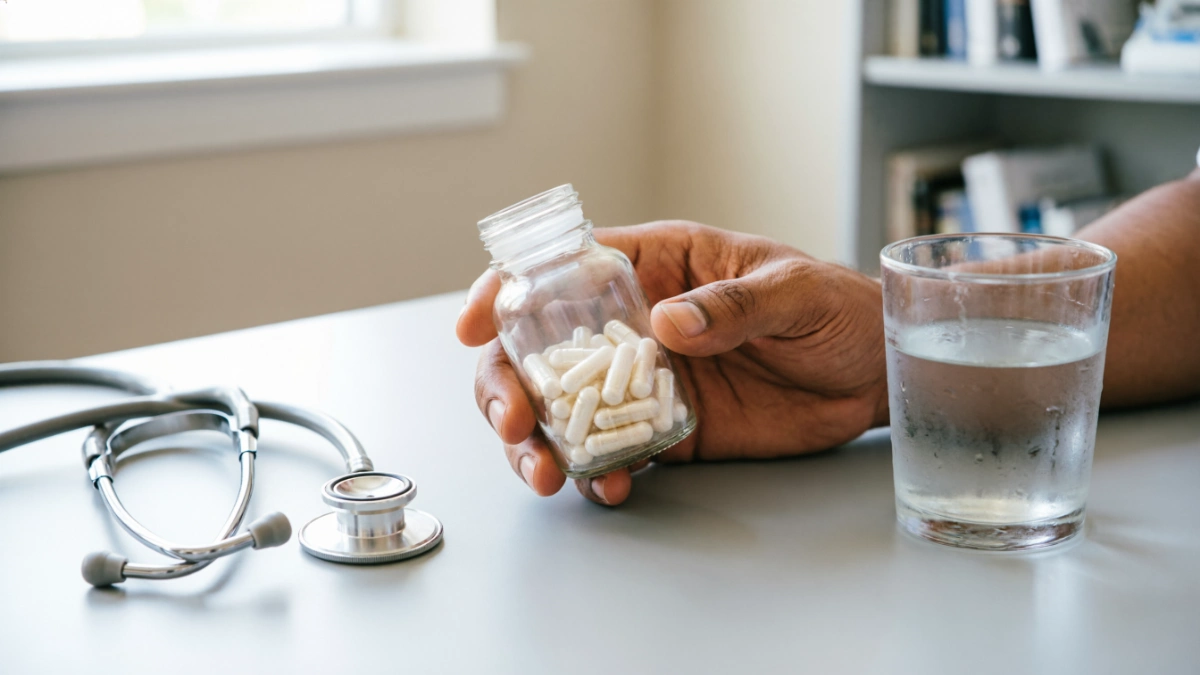
Amoxicillin treats bacterial infections of the ear, nose, throat, sinuses, lungs, skin, and urinary tract, and, when combined with other medicines, H. pylori stomach infections. It does not work on colds, flu, or other viral illnesses. This guide walks through exactly what amoxicillin is prescribed for, how it’s dosed, what side effects to expect, and how it compares with other common antibiotics.
Quick Answer
Amoxicillin is a penicillin-type antibiotic that fights bacteria by breaking down their cell walls. Doctors prescribe it most often for ear infections, strep throat, sinus infections, urinary tract infections, and mild-to-moderate pneumonia. A typical adult course runs 500 mg to 875 mg two or three times daily for 5 to 10 days, though the exact dose always depends on the infection and a doctor’s judgment.
What Type of Infection Can Amoxicillin Cure?

Amoxicillin is built to fight bacterial infections, not viral ones. It’s commonly used against middle ear infections, strep throat, sinus infections, bronchitis caused by bacteria, urinary tract infections, and certain skin infections. It also plays a role in treating stomach ulcers linked to H. pylori bacteria when paired with other medications.
Because it only targets bacteria, it has zero effect on infections caused by viruses, fungi, or parasites; taking it for those won’t speed up recovery and may cause unnecessary side effects.
What Is Amoxicillin Most Commonly Prescribed For?
The most frequent reasons doctors write an amoxicillin prescription are ear infections in children, strep throat, and sinus infections. It’s also a go-to choice for uncomplicated urinary tract infections and mild community-acquired pneumonia in people without penicillin allergies.
Its popularity comes down to a strong safety record, decades of clinical use, and good absorption when taken by mouth, which makes it easy to dose accurately.
Is Amoxicillin a Strong Antibiotic?
“Strong” is not the best way to describe antibiotics. Their effectiveness depends on whether the bacteria causing an infection are sensitive to the drug.
Amoxicillin is a moderate-spectrum antibiotic. It targets a specific range of bacteria rather than many different types.
For infections it is approved to treat, amoxicillin can be highly effective. This is one reason it remains a common first-choice treatment in primary care.
Some bacteria produce an enzyme called beta-lactamase. This enzyme can make amoxicillin less effective. In such cases, doctors may prescribe amoxicillin with clavulanic acid. This combination is known as Augmentin and can help overcome certain types of bacterial resistance.
How Quickly Will Amoxicillin Work?
Most people notice improvement within 48 to 72 hours of starting amoxicillin, though this varies by infection type and severity. Symptoms like fever and pain usually ease first, while full recovery can take the entire course of treatment.
If there’s no improvement after three days, that’s a signal to contact a doctor, since it could mean the bacteria are resistant or the illness isn’t bacterial at all.
What Is the Biggest Side Effect of Amoxicillin?
Digestive problems are among the most common side effects of amoxicillin. These may include diarrhea, nausea, and stomach discomfort.
Skin rash is another common side effect. Most rashes are mild, but some people may mistake them for an allergic reaction.
Doctors pay close attention to serious allergic reactions. These reactions are rare but can cause swelling, hives, or difficulty breathing. Seek immediate medical attention if these symptoms occur.
What to Avoid When Taking Amoxicillin?
Avoid drinking alcohol excessively, since it can worsen stomach side effects, and avoid skipping doses or stopping early even if symptoms improve, since that encourages antibiotic resistance. People with a known penicillin allergy should avoid amoxicillin entirely and tell every prescriber about that allergy.
It’s also worth avoiding certain other medications without checking first, including some blood thinners and other antibiotics, since interactions are possible.
| Avoid This | Why |
| Stopping early | Increases risk of resistant bacteria and relapse |
| Heavy alcohol use | Can intensify nausea and stomach upset |
| Taking with unconfirmed penicillin allergy | Risk of allergic reaction |
| Mixing with certain antibiotics (e.g., tetracyclines) | May reduce effectiveness |
| Self-adjusting the dose | Can cause treatment failure or side effects |
Why Don’t Doctors Like to Prescribe Amoxicillin?
Amoxicillin remains one of the most frequently prescribed antibiotics worldwide. Many doctors use it because it is effective and generally well tolerated.
Doctors are cautious about unnecessary antibiotic use. Amoxicillin does not treat viral illnesses, such as colds or the flu. Using antibiotics when they are not needed can also contribute to antibiotic resistance.
A doctor may choose a different antibiotic for several reasons. These include a penicillin allergy or local bacterial resistance to amoxicillin. Another antibiotic may also be needed when an infection requires broader coverage.
What Is the Hardest Infection to Get Rid Of?
Infections caused by antibiotic-resistant bacteria can be difficult to treat. Examples include MRSA (methicillin-resistant Staphylococcus aureus) and drug-resistant tuberculosis. Standard antibiotics may not work well against these infections.
Chronic infections can also be challenging to treat. Osteomyelitis, a bone infection, is one example. Deep abscesses can be difficult as well. Antibiotics may struggle to reach infected tissue in high enough concentrations.
Amoxicillin doesn’t treat these harder cases; they typically require specialist care, different drug classes, or a combination of treatments.
What Are the Top 3 Antibiotics?
There’s no single, universally agreed “top 3,” since the best antibiotic always depends on the infection and the bacteria involved. Amoxicillin, azithromycin, and doxycycline are among the most frequently prescribed antibiotics in outpatient care. They treat many common infections and are generally well tolerated.
Each antibiotic works differently. The best choice depends on the type of infection and the bacteria causing it. A clinician can select the most appropriate drug based on the specific situation.
Why Amoxicillin 3 Times a Day?
Amoxicillin is often dosed three times a day because it leaves the bloodstream fairly quickly, and keeping a steady level in the body helps it keep killing bacteria continuously rather than letting levels dip too low between doses. Spacing doses roughly 8 hours apart maintains that steady effect.
Some formulations and infections only require twice-daily dosing, so the exact schedule depends on the strength prescribed and the specific infection being treated.
Which Antibiotic Is Better Than Amoxicillin?
No antibiotic is universally “better”; each one is suited to particular bacteria and infection sites. For infections that do not respond to amoxicillin, doctors may choose another antibiotic. Options can include amoxicillin-clavulanate (Augmentin), azithromycin, doxycycline, or a cephalosporin. The choice depends on the bacteria involved and any allergies.
“Better” does not mean that one antibiotic is always stronger. It means the drug is better matched to the specific infection. Doctors consider lab test results, local resistance patterns, and the patient’s health history when choosing treatment.
What Makes Amoxicillin Work Faster?
Nothing safely speeds up how amoxicillin works beyond taking it exactly as prescribed, at evenly spaced intervals, and completing the full course. Taking it with a meal (if recommended) can help some people tolerate it better, which indirectly supports consistent dosing.
Skipping doses, doubling up, or taking more than prescribed does not make it work faster; it only raises the risk of side effects.
When Is the Best Time to Take Amoxicillin?
The best time to take amoxicillin depends on the prescribed schedule. Try to space each dose evenly throughout the day. For three daily doses, you might take it in the morning, afternoon, and evening.
Amoxicillin can usually be taken with or without food. Taking it with a meal may help reduce stomach upset for some people.
Consistency matters more than a specific clock time; sticking to a routine helps maintain steady drug levels in the body.
What Are the Five Signs of a Bacterial Infection?
Common signs that suggest a bacterial infection include:
- Localized redness, swelling, or warmth around a wound or affected area
- Persistent or worsening fever, especially one that returns after initially improving
- Thick, colored discharge (yellow or green) from the nose, throat, or a wound
- Pain that intensifies rather than gradually improving
- Symptoms lasting beyond the typical viral timeline, usually more than 10 days without improvement
These signs don’t guarantee a bacterial cause on their own; only a healthcare provider can confirm it, sometimes with testing.
How Safe Is Amoxicillin?
Amoxicillin has one of the longest and most established safety records of any antibiotic, having been used for decades in adults, children, and even during pregnancy when the benefits outweigh the risks. Most people tolerate it with only mild, temporary side effects like stomach upset.
The main safety concern is allergic reaction, which affects a small percentage of users, along with the broader risk that any antibiotic use carries: disrupting healthy gut bacteria or contributing to resistance if misused.
Can Amoxicillin Make You Gain Weight?
Weight gain is not a recognized or common side effect of amoxicillin. Any change in weight during treatment is more likely tied to the illness itself, for example, feeling better and eating normally again after being sick, rather than a direct effect of the medication.
If noticeable, unexplained weight changes occur while on any medication, it’s worth mentioning to a doctor to rule out other causes.
How Long Does Amoxicillin Last?
This depends on what’s being asked. A typical treatment course lasts 5 to 14 days, depending on the infection. In the body, amoxicillin has a short half-life of about an hour, meaning it clears out fairly quickly, which is why multiple daily doses are needed.
As for the medication itself, unopened capsules and tablets are generally good until the printed expiration date, while mixed liquid suspensions typically need to be used within about 14 days and stored in the refrigerator.
What Is the Best Food to Eat With Amoxicillin?
There’s no specific food required, but eating a light meal alongside a dose can ease stomach discomfort for people sensitive to the medication. Yogurt or other probiotic-containing foods are sometimes suggested to help support gut bacteria during a course of antibiotics, though they should be taken a couple of hours apart from the dose itself.
Staying hydrated and eating balanced, easy-to-digest meals generally supports recovery during any antibiotic course.
Why Should You Not Lay Down After Taking Amoxicillin?
This precaution is more strongly associated with certain other medications, such as bisphosphonates used for bone health, rather than a standard warning for amoxicillin itself. Amoxicillin doesn’t carry a specific instruction to remain upright after dosing.
That said, if a person experiences nausea or reflux after taking any oral medication, staying upright for a short period can simply make swallowing more comfortable and reduce stomach discomfort.
What Are the Top 3 Side Effects of Amoxicillin?
The three side effects reported most frequently are:
- Diarrhea from changes to gut bacteria
- Nausea often mild and temporary
- Skin rash usually harmless, though it should be checked to rule out true allergy
Most of these side effects are mild and resolve once the course is finished.
Can I Take Amoxicillin Without Seeing a Doctor?
No. Amoxicillin is a prescription-only medication in most countries, including the United States, and it should never be taken without a diagnosis confirming a bacterial infection that it can actually treat. Taking leftover antibiotics or someone else’s prescription can be ineffective, mask a more serious problem, or contribute to antibiotic resistance.
A doctor or qualified prescriber needs to confirm the infection type and rule out allergies or interactions before amoxicillin is appropriate.
What Is the Safest Antibiotic to Take?
Safety depends heavily on the individual and the infection, so there’s no single “safest” antibiotic for everyone. Amoxicillin is often considered one of the better-tolerated options because of its long track record and relatively mild side-effect profile in people without a penicillin allergy.
For someone allergic to penicillin, a different class entirely s, such as a macrolide like azithromycin, would be the safer choice.
Can Your Body Fight Off Infections Without Antibiotics?
Yes, in many cases. The immune system successfully clears many bacterial infections on its own, especially mild ones, which is why doctors sometimes recommend watchful waiting rather than immediate antibiotics. However, some infections, particularly more severe ones or those in vulnerable individuals, do need antibiotic treatment to prevent complications or spread.
The decision to treat or wait always depends on the type, location, and severity of the infection, which is why professional evaluation matters.
What Is the Deadliest Bacterial Infection?
Bacterial infections that lead to sepsis (a body-wide inflammatory response to infection) are among the deadliest, since sepsis can rapidly progress to organ failure. Specific bacteria associated with high mortality when untreated include those causing bacterial meningitis, necrotizing fasciitis, and certain forms of pneumonia.
Amoxicillin is not typically the treatment for these severe, fast-moving infections, which usually require hospitalization and intravenous antibiotics.
How to Permanently Get Rid of an Infection?
The most reliable approach is to take the prescribed antibiotic exactly as directed. Complete the full course unless your clinician tells you otherwise. Stopping treatment early may allow surviving bacteria to multiply again. It can also contribute to antibiotic resistance.
Rest, hydration, and good nutrition can support your body during recovery.
If infections keep coming back, look for an underlying cause. Possible causes include a weakened immune system, an anatomical issue, or a hidden source of bacteria. Treating one infection may not prevent future episodes if the underlying cause remains.
What Are the 4 Stages of Bacterial Infection?
Bacterial infections generally progress through these stages:
- Exposure/Colonization bacteria enter the body and begin to establish themselves
- Incubation bacteria multiply before symptoms appear
- Active infection (illness) symptoms like fever, pain, or inflammation develop as the immune system responds
- Resolution or complication the infection clears with or without treatment, or it worsens into complications like abscesses or sepsis if untreated
Antibiotics like amoxicillin work best when started during the active infection stage, once a bacterial cause is confirmed.
What Antibiotic Is Stronger Than Amoxicillin?
Rather than “stronger,” it’s more accurate to say some antibiotics have a broader spectrum, meaning they cover more types of bacteria. Amoxicillin-clavulanate (Augmentin) covers more resistant bacteria than amoxicillin alone. Other broader-spectrum options include fluoroquinolones and certain cephalosporins, which doctors reserve for infections that don’t respond to first-line options like amoxicillin.
Broader coverage isn’t automatically better, though it can increase the risk of side effects and contributes more to antibiotic resistance, so doctors typically start with the narrowest effective option.
What Are the Big 4 Antibiotics?
There’s no official medical term for a “big 4,” but amoxicillin, azithromycin, doxycycline, and ciprofloxacin are commonly cited as among the most widely used antibiotics in outpatient medicine, each targeting different types of bacteria and infections.
Which one applies to a given illness always depends on the bacteria involved, not a fixed ranking.
What Are Some Natural Alternatives to Antibiotics?
For minor, self-limiting issues, some people use honey for wound care, garlic, or echinacea, which have limited evidence for mild antimicrobial or immune-supporting effects. However, none of these are proven substitutes for antibiotics in a confirmed bacterial infection, and relying on them instead of prescribed treatment can allow a serious infection to worsen.
Anyone considering natural approaches for a suspected infection should still consult a healthcare provider first, especially if symptoms are worsening or don’t improve within a few days.
Does Amoxicillin Clear All Infections?
No. Amoxicillin only works against bacteria that are sensitive to it; it does not affect viral infections like colds, flu, or COVID-19, and it won’t work against bacteria that have developed resistance to penicillin-type drugs. Some fungal and parasitic infections are also completely unaffected by it.
That’s why accurate diagnosis matters before starting any antibiotic.
What Infections Does Amoxicillin Not Treat?
Amoxicillin does not treat viral infections such as the common cold, flu, or most sore throats caused by viruses. It also isn’t effective against MRSA and other antibiotic-resistant bacteria, nor against fungal infections like candidiasis or ringworm.
Using amoxicillin for these conditions won’t help and may cause unnecessary side effects or contribute to resistance.
Why Is Amoxicillin So Good?
Amoxicillin’s popularity comes from a combination of factors: it’s well absorbed when taken orally, effective against many common bacteria, generally gentle on the body, affordable, and backed by decades of safety data across all age groups, including infants and older adults.
That combination of reliability, tolerability, and low cost is why it remains a default first choice for many everyday bacterial infections.
What Is the Most Prescribed Antibiotic in the World?
Amoxicillin (often combined with clavulanic acid) is widely recognized as one of the most commonly prescribed antibiotics globally, particularly for outpatient infections in both children and adults. Its broad usefulness across ear, throat, sinus, and urinary infections contributes to this high prescribing rate.
How Many Days Should I Take Amoxicillin 500mg?
Treatment length varies by infection: strep throat is often treated for about 10 days, while sinus infections, urinary tract infections, and skin infections might range from 5 to 10 days. Pneumonia and more serious infections might require a longer course.
The prescribing doctor sets the exact duration based on the specific infection, and it should always be finished completely, even if symptoms resolve early.
Is Amoxicillin Very Effective?
Yes, for the bacterial infections it’s designed to treat, amoxicillin has strong, well-documented effectiveness, which is exactly why it has remained a first-line option in primary care for decades. Its effectiveness depends on the bacteria being susceptible and the patient completing the full course as directed.
Which Is Better, Azithromycin or Amoxicillin?
Neither is universally “better”; they work differently and suit different infections. Amoxicillin is often preferred first for infections like strep throat, ear infections, and sinus infections. Azithromycin is frequently chosen for people with a penicillin allergy, for certain respiratory infections, or for infections caused by bacteria that don’t respond well to amoxicillin, and it has the convenience of a shorter treatment course.
The right choice depends on the specific infection, allergy history, and local bacterial resistance patterns, which is a decision best made with a healthcare provider.
Is Amoxicillin an Antibiotic?
Yes. Amoxicillin is a penicillin-class antibiotic, meaning it’s derived from the same family of drugs as original penicillin but modified to improve absorption and broaden its effectiveness against certain bacteria.
Does Amoxicillin Treat Cough?
Amoxicillin can help a cough only if that cough is caused by a bacterial infection, such as bacterial bronchitis or pneumonia. Most coughs, especially those linked to colds or the flu, are viral, and amoxicillin will do nothing to speed up recovery from those.
A doctor typically distinguishes between viral and bacterial causes by evaluating symptoms like fever duration, the color of mucus, and how long the cough has lasted before deciding if antibiotics are appropriate.
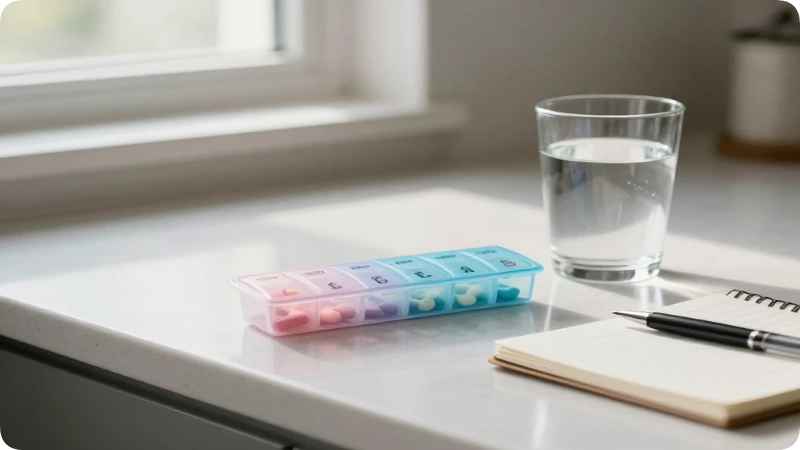
Amoxicillin 500mg Dosage Quick-Reference Table
| Infection Type | Typical Adult Dose | Typical Duration |
| Ear, nose, or throat infection | 500 mg every 12 hours or 250 mg every 8 hours | 7–10 days |
| Strep throat | 500 mg every 12 hours | 10 days |
| Sinus infection | 500 mg every 8–12 hours | 5–10 days |
| Urinary tract infection | 500 mg every 8–12 hours | 5–7 days |
| Skin infection | 500 mg every 8 hours | 7–10 days |
| Community-acquired pneumonia | 500–875 mg every 12 hours (dose may be higher) | 5–7 days |
This table reflects commonly cited general dosing patterns and is for educational purposes only. Actual dosing always depends on a patient’s age, weight, kidney function, and the specific infection, and should be determined by a prescribing doctor or pharmacist.
FAQs
Can I drink alcohol while taking amoxicillin?
There’s no dangerous interaction between amoxicillin and moderate alcohol, but alcohol can worsen stomach side effects and slow recovery by dehydrating the body, so it’s generally best to limit or avoid it during treatment.
What happens if I miss a dose of amoxicillin?
Take the missed dose as soon as remembered unless it’s almost time for the next one, in which case it’s better to skip it rather than double up. Doubling doses doesn’t improve effectiveness and increases the chance of side effects.
Is amoxicillin safe during pregnancy?
Amoxicillin is generally considered one of the safer antibiotics during pregnancy and is commonly prescribed when a bacterial infection needs treatment, but the decision should always be made with an obstetrician who can weigh the specific situation.
Can children take the same amoxicillin as adults?
Children are typically prescribed a liquid suspension dosed by body weight rather than the fixed capsule doses used for adults, since their dosing needs differ significantly and must be calculated individually.
Does amoxicillin interact with birth control pills?
Amoxicillin has historically been flagged as a possible interaction with hormonal birth control, though current evidence suggests the effect is minimal for most people. Some doctors still recommend a backup contraception method during antibiotic treatment as a precaution; this is worth discussing directly with a prescriber.
Key Takeaway
Amoxicillin is a well-established, effective antibiotic for common bacterial infections of the ear, throat, sinuses, lungs, skin, and urinary tract, but it has no effect on viral illnesses and won’t work against every type of bacteria.
Getting the most benefit and avoiding unnecessary side effects or resistance comes down to using it only when a doctor confirms a bacterial infection, taking it exactly as prescribed, and completing the full course.
This article is for general educational purposes and is not a substitute for professional medical advice. Always consult a doctor or pharmacist about your specific health situation, diagnosis, and treatment.

I am JohnsonMili, a passionate Prayer Writer and Spiritual Content Researcher dedicated to illuminating the paths of those seeking solace and inspiration.Through my platform, PrayersInfo.com, I share powerful prayers and uplifting faith content designed to foster a deeper connection with God.My mission is to guide readers toward peace and hope, empowering them to navigate life’s challenges with spiritual resilience.Join me on this transformative journey as we explore the profound impact of prayer and faith together.