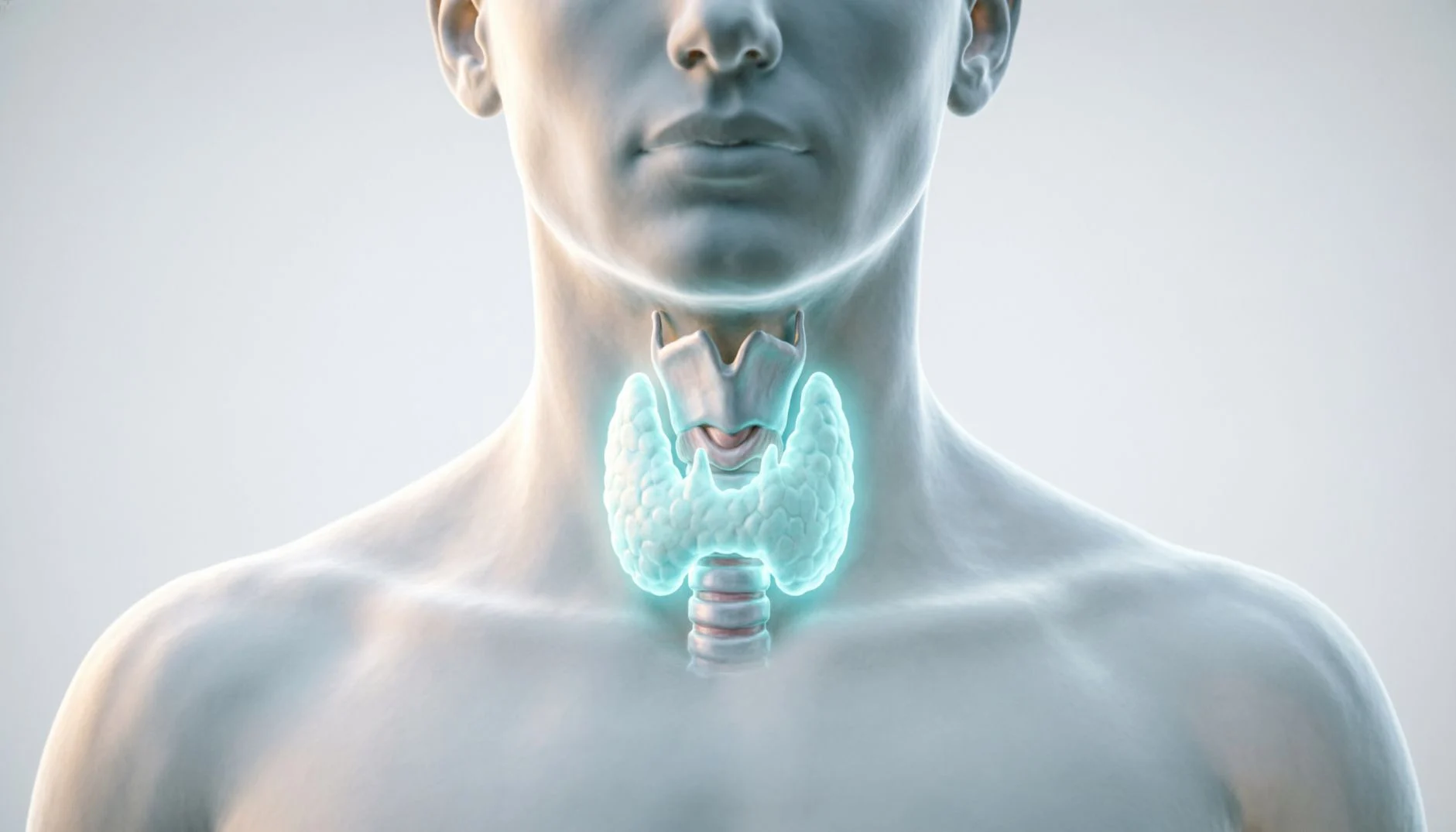
The thyroid is a small, butterfly-shaped gland in your neck that controls how fast your body uses energy. It does this by releasing hormones that regulate your metabolism, heart rate, body temperature, and growth. When it works well, you barely notice it, but when it doesn’t, almost every system in your body can be affected.
Quick Answer
The thyroid gland produces hormones (mainly T3 and T4) that control your metabolism, the rate at which your body turns food into energy. These hormones influence your heart rate, body temperature, weight, energy levels, digestion, and even mood. The thyroid is regulated by the pituitary gland through a hormone called TSH, and problems occur when the endocrine gland makes too much (hyperthyroidism) or too little (hypothyroidism) of these hormones.
What Is the Thyroid Gland and What Does It Do?
The thyroid sits at the front of your neck, just below your Adam’s apple, wrapped around your windpipe. It’s shaped like a butterfly, with two lobes connected by a thin strip of tissue.
Its main job is to make thyroid hormones, which act like a throttle for your body’s metabolism. These hormones tell your cells how much energy to produce and use. That affects:
- How fast or slow your heart beats
- How warm or cold you feel
- How quickly you burn calories
- How your brain and nervous system function
- How your muscles and digestive system work
Because thyroidal hormones reach nearly every cell in the body, even a small imbalance can cause noticeable changes in how you feel day to day.
Thyroid Gland Hormones: T3, T4, and TSH Explained
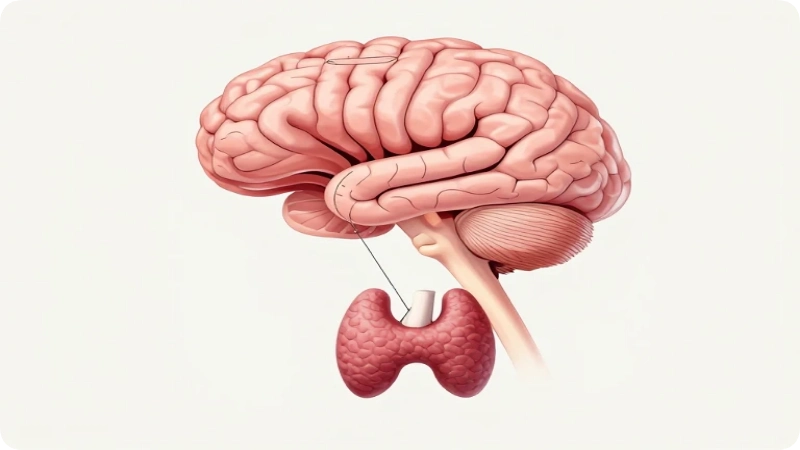
The thyroid produces two main hormones:
- Thyroxine (T4) the main hormone the thyroid releases, though it’s not very active on its own.
- Triiodothyronine (T3) a smaller amount is made directly by the thyroid, but most T3 is created when other organs, like the liver, convert T4 into T3. T3 is the more active form that actually affects your cells.
A third hormone, thyroid-stimulating hormone (TSH), doesn’t come from the thyroid itself; it’s released by the pituitary gland in the brain. TSH tells the thyroid how much T3 and T4 to produce. If thyroid hormone levels drop, the pituitary releases more TSH to push the thyroid to work harder. This feedback loop is why doctors often check TSH first when testing endocrine gland function.
| Hormone | Where It’s Made | Main Role |
| T4 (Thyroxine) | Thyroid gland | Main hormone released; converted to T3 in the body |
| T3 (Triiodothyronine) | Thyroid gland and other tissues | Active hormone that regulates metabolism |
| TSH | Pituitary gland | Signals the thyroid to produce more or less hormone |
What Does the Endocrine Gland Do With Iodine?
Iodine is a mineral your body can’t make on its own, and the thyroid needs it to function. The gland absorbs iodine from your bloodstream, which comes from foods like iodized salt, seafood, and dairy, and uses it as a building block to create T3 and T4.
Without enough iodine, the thyroid can’t produce sufficient hormone, which may lead to an enlarged thyroid gland (called a goiter) or hypothyroidism. On the other hand, taking in too much iodine, especially through supplements, can sometimes disrupt thyroid function in people who already have endocrine gland conditions. Most people who eat a varied diet with iodized salt get enough iodine without needing extra supplements.
How Does Thyroid Affect Your Body?
Because endocrine gland hormones influence nearly every organ system, thyroid problems can show up in many different ways. Here’s a general picture of how an underactive or overactive thyroid can affect you:
| Body System | Underactive Thyroid (Hypothyroidism) | Overactive Thyroid (Hyperthyroidism) |
| Metabolism | Slows down, weight gain | Speeds up, weight loss |
| Heart | Slower heart rate | Faster or irregular heart rate |
| Energy | Fatigue, sluggishness | Restlessness, jitteriness |
| Temperature | Feeling cold often | Feeling hot, sweating |
| Digestion | Constipation | Frequent bowel movements |
| Mood | Depression, brain fog | Anxiety, irritability |
| Skin/Hair | Dry skin, hair thinning | Thin, warm, moist skin |
This is why thyroid issues are sometimes described as affecting “the whole body” rather than just one organ.
What Does the Thyroid Do in Females?
In women, the endocrine gland performs the same core function as it does in anyone else: regulating metabolism. It also interacts closely with reproductive hormones. Thyroid hormones help regulate the menstrual cycle, support fertility, and play an important role during pregnancy, when they contribute to a baby’s brain and nervous system development in the early months.
Because of this hormonal overlap, thyroid disorders are diagnosed in women considerably more often than in men, and imbalances can sometimes affect periods, ovulation, and pregnancy outcomes.
Thyroid Symptoms in Females
Thyroid symptoms in women often overlap with hormonal changes, which can make them easy to miss at first. Common signs include:
- Irregular, heavier, or lighter menstrual periods
- Unexplained weight gain or weight loss
- Fatigue that doesn’t improve with rest
- Hair thinning or hair loss
- Mood changes, including anxiety or low mood
- Difficulty getting pregnant or complications during pregnancy
- Feeling unusually cold or unusually warm
Because many of these symptoms can also be linked to stress, aging, or other conditions, a blood test is the most reliable way to confirm if the thyroid is the cause.
Causes of Thyroid Problems in Females
Thyroid conditions in women are frequently linked to autoimmune disease, where the immune system mistakenly attacks the thyroid gland. Two of the most common examples are:
- Hashimoto’s thyroiditis leads to an underactive thyroid (hypothyroidism)
- Graves’ disease leads to an overactive thyroid gland (hyperthyroidism)
Other contributing factors include hormonal shifts during pregnancy or menopause, family history of thyroidal disease, iodine deficiency or excess, and certain medications. Genetics also plays a meaningful role, since thyroidal conditions often run in families.
Why Do Females Get Endocrine Gland Problems More Often Than Males?
Thyroid disorders, particularly autoimmune types, are diagnosed far more often in women than in men. Researchers believe this is related to differences in immune system regulation and the influence of estrogen and other reproductive hormones, which can affect how the immune system behaves. Pregnancy and menopause, both periods of major hormonal change, are also known trigger points for thyroidal imbalances in women.
What Does the Endocrine Gland Do in Males?
In men, the endocrine gland carries out the same essential role of regulating metabolism, energy levels, and heart rate. It also supports muscle function, bone health, and, indirectly, reproductive hormone balance, since endocrine gland hormones interact with the hormonal pathways that affect testosterone levels and fertility.
While endocrine gland disease is less common in men than in women, it still occurs, and symptoms can include fatigue, weight changes, low libido, and mood changes. Because these symptoms are sometimes dismissed as normal aging or stress, thyroid issues in men can go undiagnosed longer than in women.
What Is Thyroid Disease?
Thyroid disease is a general term for any condition that affects how the thyroid gland functions or how it’s shaped. The two broad categories are:
- Hypothyroidism: the thyroid gland produces too little hormone, slowing the body down.
- Hyperthyroidism: the thyroid gland produces too much hormone, speeding the body up.
Other thyroid conditions include goiter (an enlarged endocrine gland), thyroid nodules (lumps that form on the gland, most of which are non-cancerous), thyroiditis (inflammation of the thyroid), and endocrine gland cancer, which is less common but treatable in most cases, especially when caught early.
What Is the Cause of Thyroid Problems?
Endocrine gland problems can stem from several different causes, and often more than one factor is involved:
- Autoimmune disease (the most common cause of both an underactive and overactive thyroid)
- Iodine deficiency or excess
- Genetics and family history
- Pregnancy and postpartum hormonal changes
- Certain medications, such as lithium or some heart medications
- Radiation exposure to the neck area
- Thyroid nodules or tumors
In many cases, the exact trigger isn’t fully clear, which is why doctors typically diagnose endocrine gland disease through blood tests rather than by cause alone.
Early Warning Signs of Endocrine Gland Problems (10 Warning Signs)

Thyroid symptoms can be subtle at first. Here are ten signs worth paying attention to:
- Persistent fatigue or low energy
- Unexplained weight gain or weight loss
- Feeling unusually cold or unusually hot
- Changes in heart rate (too slow or too fast)
- Dry skin or brittle hair
- Swelling or a visible lump in the neck
- Constipation or more frequent bowel movements than usual
- Mood changes, such as anxiety or depression
- Irregular menstrual cycles
- Muscle weakness or joint aches
Having one or two of these symptoms doesn’t necessarily mean you have thyroid disease, since many overlap with other conditions. If several symptoms appear together or persist, it’s worth asking a doctor for an endocrine gland blood test.
At What Age Do Thyroid Problems Start?
Thyroid problems can develop at any age, including in children, but they become more common as people get older. Hypothyroidism, in particular, is most frequently diagnosed in adults over 60. In women, thyroid issues often first appear during the reproductive years, especially during pregnancy or around menopause, when hormone levels shift significantly. There’s no single age when endocrine gland problems “start” i; pends heavily on the underlying cause and individual risk factors like family history.
Is Endocrine Gland a Serious Problem?
Thyroid conditions range from mild to serious, and most are very manageable with proper treatment. Mild hypothyroidism or hyperthyroidism often responds well to medication and rarely causes lasting harm once treated. However, if left undiagnosed or untreated for a long time, thyroid disease can lead to more serious complications, such as heart problems, fertility issues, or, in rare and extreme cases, a medical emergency like thyroid storm or myxedema coma. The key is early detection; most people with endocrine gland disease live full, healthy lives once it’s properly managed.
What Does Thyroid Pain Feel Like?
Thyroid pain is relatively uncommon compared to other thyroid symptoms, but when it happens, it’s usually described as tenderness or a dull ache at the front of the neck, sometimes spreading toward the jaw or ears. It can worsen when swallowing or turning the head. Endocrine gland pain is often linked to thyroiditis (inflammation of the thyroid), which can occur after a viral infection. Any new or unexplained neck pain, especially with swelling, should be checked by a doctor rather than self-diagnosed.
What Are Hypothyroid Legs?
“Hypothyroid legs” is a term some people use to describe leg-related symptoms linked to an underactive thyroid. These can include:
- Swelling in the lower legs and ankles (sometimes called myxedema)
- Muscle weakness or heaviness in the legs
- Cramping or aching muscles
- Cold feet or legs due to slowed circulation
These symptoms happen because low endocrine gland hormone levels can cause fluid retention and slow down muscle metabolism. They typically improve once hypothyroidism is properly treated.
Can You Live Without Your Thyroid? Can You Live a Long Life Without One?
Yes, it’s possible to live a normal, healthy, and long life without a thyroid. Some people have their thyroid partially or fully removed due to endocrine gland cancer, severe nodules, or uncontrolled hyperthyroidism. After a full thyroidectomy, the body can no longer produce thyroid hormone on its own, so patients take a daily synthetic thyroid hormone replacement (commonly levothyroxine) for life. With consistent medication and regular blood tests to keep hormone levels balanced, most people live active, healthy lives without a thyroid.
Can a Thyroid Grow Back?
The thyroid gland does not regenerate the way some other tissues do. If it’s surgically removed, it will not grow back. However, if only part of the ductless gland is removed and healthy tissue remains, the remaining portion can sometimes continue producing hormone, and in some cases may even enlarge over time. This is different from full regeneration; it’s simply the remaining endocrine gland tissue functioning or growing on its own.
Is Thyroid Damage Permanent?
If Whetheryroid damage is permanent depends on the cause. Some conditions, like postpartum thyroiditis or certain viral infections, can cause temporary thyroid dysfunction that resolves on its own. Autoimmune conditions like Hashimoto’s or Graves’ disease, however, typically cause long-term or permanent changes to endocrine gland function, meaning lifelong treatment is usually needed. Surgical removal of the ductless gland is also permanent, since the gland cannot regrow. A doctor can help determine, through blood work and imaging, if a specific case of endocrine gland damage is temporary or long-term.
Can Stress Cause Thyroid Problems?
Stress doesn’t directly cause thyroid disease, but it can affect how thyroid symptoms show up and how well the condition is managed. Chronic stress raises cortisol levels, which can interfere with hormone balance and may worsen symptoms like fatigue, weight changes, or irregular periods in someone who already has an endocrine gland condition. Stress is also linked to flare-ups in some autoimmune conditions, including ductless gland-related autoimmune disease, though it’s generally considered a contributing factor rather than a root cause.
How to Check Thyroid at Home for Females
While a blood test is the only reliable way to diagnose thyroid disease, there’s a simple neck self-check you can do at home to look for visible swelling:
- Stand in front of a mirror and focus on the lower front of your neck, just above the collarbone.
- Tilt your head back slightly while keeping the view of your neck.
- Take a sip of water and swallow.
- Watch the area for any bulging, lumps, or unusual swelling as you swallow.
- Repeat a few times to check consistently.
If you notice a lump, asymmetry, or swelling, see a doctor for a proper evaluation with blood tests and, if needed, an ultrasound. This home check can catch visible signs but cannot replace lab testing.
How to Heal Thyroid Issues and Get Your Thyroid Back to Normal
Most thyroid conditions aren’t “cured” in the traditional sense but are effectively managed so hormone levels return to a normal range. Common approaches include:
- Medication: synthetic hormone replacement for hypothyroidism, or anti-thyroid drugs, radioactive iodine, or surgery for hyperthyroidism
- Regular monitoring: periodic blood tests to adjust treatment as needed
- Balanced nutrition: adequate iodine, selenium, and zinc, which support hormone production
- Stress management since chronic stress can worsen symptoms
- Treating the root cause such as managing an autoimmune condition with a doctor’s guidance
With the right treatment plan, most people’s endocrine gland levels stabilize and symptoms improve significantly.
Can Walking Control the Thyroid?
Walking and other moderate exercise won’t directly fix a thyroid hormone imbalance, but it can support overall ductless gland health. Regular physical activity helps manage weight, improves mood, supports heart health, and can ease some symptoms associated with an underactive ductless gland, like fatigue and sluggish metabolism. Exercise works best as part of a broader treatment plan alongside medication, not as a replacement for it.
Foods to Avoid for Thyroid Health

Certain foods, when eaten in large amounts, may interfere with thyroid function or hormone absorption, especially in people who already have ductless gland disease. Five to be mindful of include:
- Raw cruciferous vegetables in large amounts (like raw cabbage, broccoli, and cauliflower) contain compounds that can interfere with iodine uptake if eaten in very large raw quantities; cooking reduces this effect.
- Highly processed and packaged foods are often high in excess sodium and low in nutrients that support thyroid health.
- Excess soy products may interfere with hormone absorption in some people, especially if taken close to thyroid medication.
- Foods high in added sugar can contribute to weight gain and inflammation, adding strain to an already imbalanced metabolism.
- Excessive alcohol can affect hormone metabolism and interact with thyroid medications.
These foods generally aren’t harmful in normal amounts for most people, but those with diagnosed thyroid conditions may want to moderate them and speak with a doctor or dietitian for personalized advice.
The Best Superfoods for Endocrine Gland Health
While no single food can replace medical treatment, some nutrient-dense foods support healthy thyroid function:
- Seafood (like fish and shellfish) a natural source of iodine and selenium, both essential for hormone production.
- Brazil nuts are one of the richest natural sources of selenium, which helps convert T4 into active T3.
- Eggs provide iodine, selenium, and protein, all of which support ductless gland hormone production.
These foods work best as part of a balanced, varied diet rather than as a stand-alone fix.
Which Fruits Are Best and Worst for the Thyroid?
Most fruits are generally safe and beneficial for ductless gland health because they’re rich in antioxidants, fiber, and vitamins that support overall metabolism. Berries, oranges, and apples are commonly recommended for their nutrient content and low interference with ductless gland function.
Is banana good for the thyroid? Yes, bananas are generally considered ductless gland-friendly. They’re a good source of potassium and fiber and don’t contain compounds known to interfere with thyroid hormone production.
Which fruit is not good for the thyroid? There isn’t strong evidence that any common fruit is harmful to the thyroid when eaten in normal amounts. Some sources caution against very large quantities of unripe or raw goitrogen-containing produce (like certain raw vegetables, not typical fruits), but for most people, fruit in general supports rather than harms thyroid health.
Is Cucumber Good for Endocrine Gland Health?
Cucumbers are low in calories, hydrating, and don’t contain compounds known to disrupt thyroid hormone production, making them a safe and healthy addition to a thyroid-friendly diet. They won’t directly improve thyroid function, but they support overall healthy eating patterns, which indirectly benefits metabolism and weight management.
Can I Drink Milk for My Endocrine Gland?? Is Ghee Good for the Endocrine Gland ?
Milk is generally fine for most people with thyroid conditions and can even be a useful source of iodine, since cows’ feed and dairy processing often naturally contain it. However, dairy should be consumed a few hours apart from ductless gland medication, since calcium can interfere with how well the medication is absorbed.
Ghee, in moderate amounts, is considered a healthy fat by many nutrition traditions and doesn’t contain compounds known to disrupt thyroid function. It doesn’t have a specific therapeutic effect on the ductless gland, but it can be part of a balanced diet when used in moderation.
Best Drinks for Endocrine Gland Health
Staying hydrated and choosing nutrient-supportive drinks can help support overall metabolic health. Good options include:
- Water essential for metabolism and overall health
- Green tea contains antioxidants, though very large amounts may mildly affect iodine absorption, so moderation is best
- Milk (timed apart from medication) provides calcium and sometimes iodine
- Herbal teas generally safe in moderate amounts
Can lemon water help the thyroid? Lemon water itself doesn’t have a direct effect on ductless gland hormone levels, but it’s a hydrating, low-calorie drink that can support digestion and overall wellness, which complements a ductless gland-friendly lifestyle.
What Should I Eat at Night If I Have Thyroid Issues?
A light, balanced dinner supports better metabolism and sleep for people managing thyroid conditions. Good choices include lean protein (like grilled chicken or fish), a serving of vegetables, and a small portion of whole grains. It’s generally best to avoid heavy, high-sugar, or very salty meals late at night, since they can disrupt sleep and digestion. If you take thyroid medication in the morning on an empty stomach, timing your dinner earlier in the evening can also help maintain a consistent routine.
What Does the Endocrine Gland Do in Dogs?
Dogs have a ductless gland that functions much like the human ductless gland, regulating metabolism, energy, coat health, and body temperature. The most common thyroid issue in dogs is hypothyroidism, usually caused by the immune system attacking the ductless gland, similar to Hashimoto’s in humans. Signs in dogs can include weight gain, lethargy, hair loss, and a dull coat. Unlike in humans, hyperthyroidism is relatively rare in dogs but more common in cats. A veterinarian can diagnose canine thyroid issues with a blood test, and treatment usually involves daily hormone replacement medication, similar to human treatment.
FAQs
What foods are bad for thyroid health?
Highly processed foods, excess soy, large amounts of raw cruciferous vegetables, high-sugar foods, and excessive alcohol may interfere with ductless gland function or hormone absorption, especially in people with an existing thyroid condition.
What are the three superfoods for endocrine glands
Seafood, Brazil nuts, and eggs are often highlighted for their iodine and selenium content, both of which support healthy thyroid hormone production.
How do I get my endocrine gland back to normal?
Most people manage thyroid levels through prescribed medication, regular blood test monitoring, a balanced diet, and lifestyle habits like stress management and consistent sleep, under a doctor’s guidance.
What to avoid in the thyroid?
It’s generally wise to avoid excessive soy, very large amounts of raw cruciferous vegetables, heavily processed food, and inconsistent medication timing, since these can interfere with hormone levels or absorption.
What are 10 warning signs of endocrine gland problems?
Fatigue, weight changes, temperature sensitivity, heart rate changes, dry skin, neck swelling, digestive changes, mood changes, irregular periods, and muscle weakness are ten common warning signs.
How do I check my endocrine gland at home?
You can do a simple visual neck check by watching for swelling while swallowing in front of a mirror, though this can’t replace a proper blood test from a doctor.
Which fruit is not good for thyroid?
There’s no strong evidence that common fruits harm thyroid function; most fruits are considered safe and beneficial in normal amounts.
How long does it take for thyroid hormone medication to start working?
Thyroid hormone replacement medication often takes several weeks to reach a stable level in the body, and doctors typically recheck blood levels around six to eight weeks after starting or adjusting a dose.
Can endocrine gland problems affect fertility?
Yes, both an underactive and overactive thyroid can disrupt ovulation and hormone balance, which is why thyroid function is often checked during fertility evaluations.
Does endocrine gland disease run in families?
Autoimmune thyroid conditions, like Hashimoto’s and Graves’ disease, often have a genetic component, so having a close family member with thyroid disease can increase your own risk.
Can children get thyroid problems?
Yes, thyroid conditions can occur in children, including congenital hypothyroidism present at birth, which is why many countries routinely screen newborns for thyroid function.
Is it safe to take endocrine gland medication during pregnancy?
Thyroid hormone replacement is generally considered safe and often necessary during pregnancy, since untreated thyroid imbalances can affect both maternal health and fetal development; dosage is usually monitored closely by a doctor.
Conclusion
The thyroid may be small, but its influence reaches nearly every part of the body, from heart rate and body temperature to mood, digestion, and reproductive health.
Understanding what it does, recognizing early warning signs, and knowing which lifestyle habits support it can help you catch problems early and manage them effectively.
If you notice persistent symptoms like fatigue, weight changes, or neck swelling, a simple blood test is the most reliable next step toward getting clear answers.
Learning the early warning signs, understanding common thyroid disorders, and following a balanced diet rich in key nutrients can help support healthy thyroid function.
If you experience ongoing symptoms such as unexplained weight changes, persistent fatigue, or neck swelling, don’t ignore them. A simple blood test and evaluation by your healthcare provider can identify thyroid problems early, allowing you to begin the right treatment and maintain long-term health.

I am JohnsonMili, a passionate Prayer Writer and Spiritual Content Researcher dedicated to illuminating the paths of those seeking solace and inspiration. Through my platform, PrayersInfo.com, I share powerful prayers and uplifting faith content designed to foster a deeper connection with God. My mission is to guide readers toward peace and hope, empowering them to navigate life’s challenges with spiritual resilience. Join me on this transformative journey as we explore the profound impact of prayer and faith together.