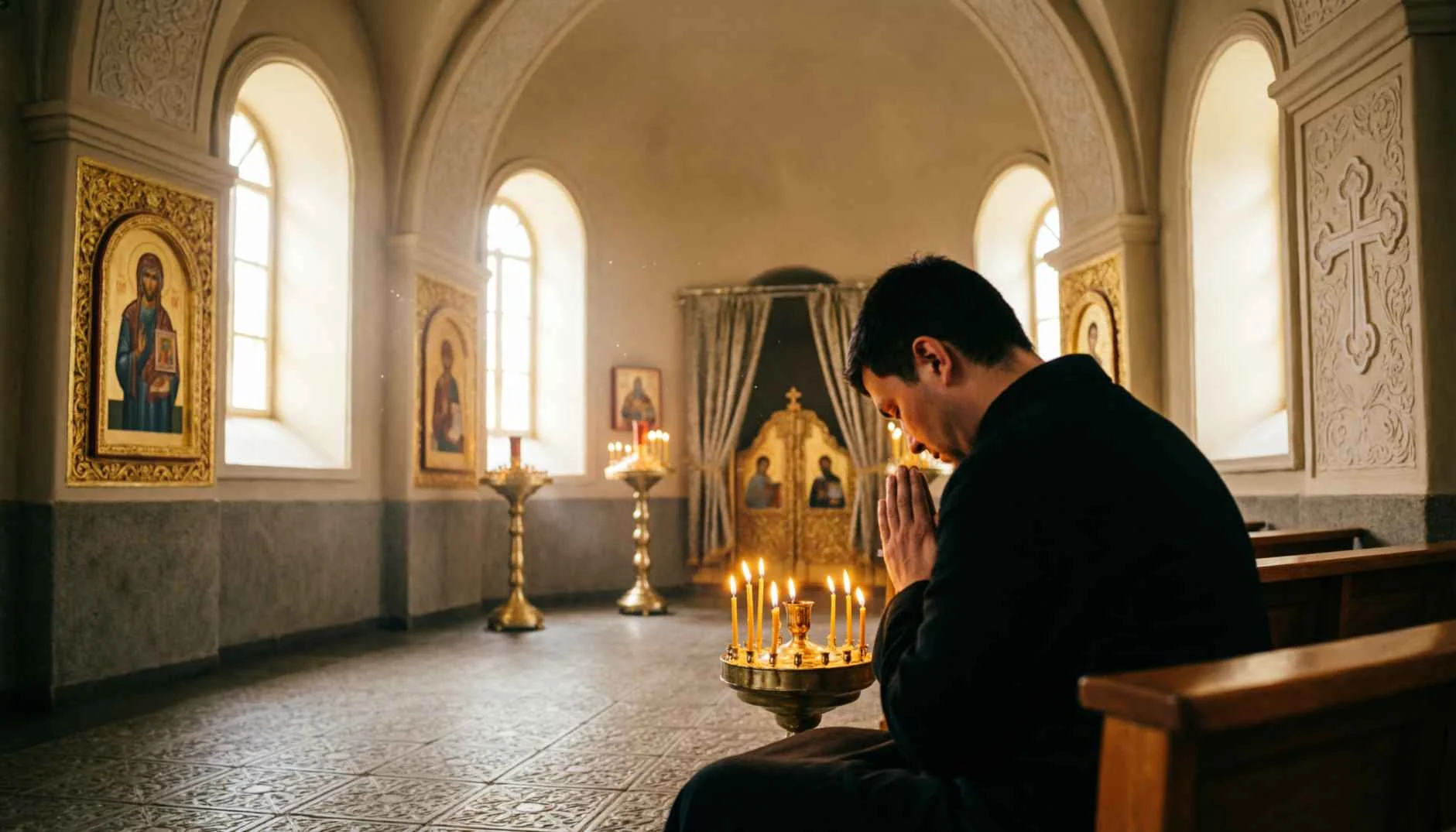
“God is not God of the dead, but of the living, for to Him all are alive.” Luke 20:38
The teaching associated with Patriarch Bartholomew I of Constantinople on prayers for the dead often raises deep questions for many Christians today.
It touches grief, memory, and the mystery of life after death.
This guide will walk you through what this teaching means, how it connects with Scripture, and how Christians can respond with balanced faith, comfort, and hope.
Quick Guide Overview
| In This Guide | Details |
| Meaning | Christian reflection on praying for the departed and God’s mercy beyond death |
| Key Bible Verse | Luke 20:38, 2 Timothy 1:16 18 |
| Benefits | Comfort in grief, spiritual hope, remembrance of loved ones |
| How to Pray | Simple, honest prayers for mercy, peace, and hope in Christ |
| Practical Steps | Scripture reading, memorial prayer, daily remembrance |
Takeaway: Christian reflection on the departed invites hope, not fear.
Quick Answer: What This Teaching Means
The idea of prayers for the dead in Eastern Christian tradition, often discussed in relation to leaders like Patriarch Bartholomew, reflects a belief that God’s mercy extends beyond human understanding. It encourages believers to remember the departed in prayer, entrusting them fully to God’s judgment and love.
Christians who practice this do so not to change God’s justice, but to express love, hope, and remembrance in Christ. It is a spiritual act rooted in trust rather than certainty.
Simple steps include:
- Remember loved ones in prayer with peace, not fear
- Ask God for mercy and rest for their souls
- Trust Christ as the final judge
- Focus on hope in resurrection
Takeaway: Prayer for the departed is an act of love, not control.
Biblical Foundation for Remembering the Dead in Prayer
Luke 20:38
“God is not the God of the dead, but of the living.”
This verse shows that all live before God. It shifts grief into hope.
Application: Remember loved ones as alive in God’s presence.
Timothy 1:16 18
Paul prays for mercy on Onesiphorus after his death.
This passage shows early Christian remembrance.
Application: Prayer can include gratitude and mercy for the faithful departed.
Revelation 14:13
“Blessed are the dead who die in the Lord.”
This verse highlights peace for believers who die in Christ.
Application: Trust that God’s rest is real and complete.
Psalm 116:15
“Precious in the sight of the Lord is the death of His saints.”
God values every life and every passing.
Application: Grief is sacred, not meaningless.
Romans 14:8
“If we live, we live to the Lord; and if we die, we die to the Lord.”
This affirms God’s ownership of life and death.
Application: Place all loved ones into God’s care.
Takeaway: Scripture centers prayer for the dead on hope in God’s mercy.
Understanding Prayer for the Departed
This practice is not about changing eternal destiny. Instead, it reflects trust in God’s mercy, love, and justice.
In Eastern Christian theology, as reflected in leaders like Patriarch Bartholomew, prayer becomes a way to remain spiritually connected to loved ones. It helps believers process grief while affirming that God alone holds final authority.
Emotionally, it brings comfort during loss. Spiritually, it builds trust in God’s eternal care.
Takeaway: Prayer becomes a bridge between grief and hope.
When This Prayer Becomes Meaningful
This kind of remembrance often helps during:
- Seasons of deep grief
- Sudden loss or tragedy
- Anniversaries of death
- Moments of guilt or unresolved feelings
- Family memorial gatherings
- Times of spiritual uncertainty
It does not remove pain, but it softens it with hope.
Takeaway: Prayer gives grief a place to rest before God.
How to Pray for the Departed
Here is a simple, grounded approach:
- Begin by acknowledging God’s mercy
- Remember the person by name
- Express gratitude for their life
- Ask God for peace and rest for them
- Surrender them fully to Christ
- End with hope in resurrection
Keep your words honest and simple. God listens to sincerity more than structure.
Takeaway: Simple prayers carry deep spiritual meaning.
Biblical Examples of Remembrance and Intercession
Paul’s Prayers for Believers
Paul often prayed for others, both living and departed in memory.
Lesson: Love continues through prayer.
David’s Mourning for Saul and Jonathan
David grieved deeply and honored their memory.
Lesson: Honoring the dead is part of faithful living.
Jesus at the Tomb of Lazarus
Jesus wept even though He would raise Lazarus.
Lesson: Grief and faith can exist together.
Takeaway: Scripture validates both grief and hope.
Prayer Collection for Peace and Remembrance
Short Prayer
Lord, place my loved one in Your peace and mercy. Amen.
Morning Prayer
God of life, I trust You with those I have lost. Fill my heart with hope today.
Evening Prayer
Lord, as night falls, I remember them in Your light and rest.
Gratitude Prayer
Thank You, God, for the life they lived and the love they gave.
Hope Prayer
Father, remind me that death is not the end in Christ.
Surrender Prayer
I release them into Your hands, Lord, trusting Your perfect mercy.
Difficult Season Prayer
When grief overwhelms me, hold my heart steady in Your peace.
Scripture Inspired Prayer
Lord, You are God of the living. Keep them in Your eternal presence.
Intercessory Prayer
Have mercy, Lord, and let Your light shine upon their memory.
Reflective Prayer
Help me live in a way that honors their life and Your calling.
Prayer Types and Purpose
| Prayer Type | Purpose |
| Short Prayer | Immediate comfort |
| Morning Prayer | Daily surrender |
| Evening Prayer | Peaceful reflection |
| Gratitude Prayer | Healing remembrance |
| Hope Prayer | Faith strengthening |
Emotional Struggle vs Bible Comfort
| Struggle | Bible Truth |
| Grief | God is near the brokenhearted |
| Guilt | Christ forgives fully |
| Fear | Death is not the end |
| Confusion | God’s mercy is perfect |
| Loneliness | God never leaves |
Takeaway: Prayer reshapes grief into hope-filled memory.
Common Mistakes When Praying for the Dead
- Treating prayer as a way to change God’s judgment
- Using fear-based language about the afterlife
- Forgetting Christ as the center of hope
- Overcomplicating prayer with rituals
- Ignoring personal grief while focusing only on doctrine
Takeaway: Keep prayer rooted in love, not fear.
What This Prayer Does Not Mean
It does not mean salvation depends on human prayer and not replace faith in Christ.
It does not guarantee outcomes we can control.
Instead, it reflects trust in God’s mercy and eternal wisdom.
Takeaway: Prayer expresses trust, not control.
Daily Prayer Practice for Healing
- Read one Psalm daily
- Light a candle in remembrance (symbolic reflection)
- Journal memories of loved ones
- Pray briefly each evening
- Attend memorial services when possible
- Speak their names in gratitude
Consistency brings emotional healing over time.
Takeaway: Small daily acts bring lasting peace.
FAQs
Did early Christians pray for the dead?
Yes, historical writings show remembrance practices in early Christian communities.
Is it biblical to pray for the dead?
Scripture does not command it directly but shows remembrance and intercession themes.
What does Patriarch Bartholomew teach about this?
He reflects Eastern Orthodox tradition of prayerful remembrance and trust in God’s mercy.
Does prayer change a person’s afterlife?
Christians believe salvation rests in Christ alone, not human prayer.
Why do people pray for the dead?
To express love, memory, and hope in God’s mercy.
Can prayer help with grief?
Yes, it provides emotional healing and spiritual peace.
What Bible verse brings comfort about death?
John 14:2 3 and Revelation 21:4 are often used for comfort.
How often should I pray for someone who passed away?
As often as it brings peace, especially during grief moments.
Conclusion
Loss leaves a silence that words cannot fill. Yet faith speaks gently into that silence.The Christian hope is not rooted in fear, but in resurrection.
The life, death, and resurrection of Christ assures believers that love does not end at the grave.
In that hope, remembering the departed becomes an act of love, trust, and peace before God.
May your heart find rest in His mercy, and may peace surround every memory you carry.
Gentle blessing:
May the God of all comfort hold your heart, strengthen your faith, and fill your remembrance with unshakable peace in Christ.

I am JohnsonMili, a passionate Prayer Writer and Spiritual Content Researcher dedicated to illuminating the paths of those seeking solace and inspiration.Through my platform, PrayersInfo.com, I share powerful prayers and uplifting faith content designed to foster a deeper connection with God.My mission is to guide readers toward peace and hope, empowering them to navigate life’s challenges with spiritual resilience.Join me on this transformative journey as we explore the profound impact of prayer and faith together.