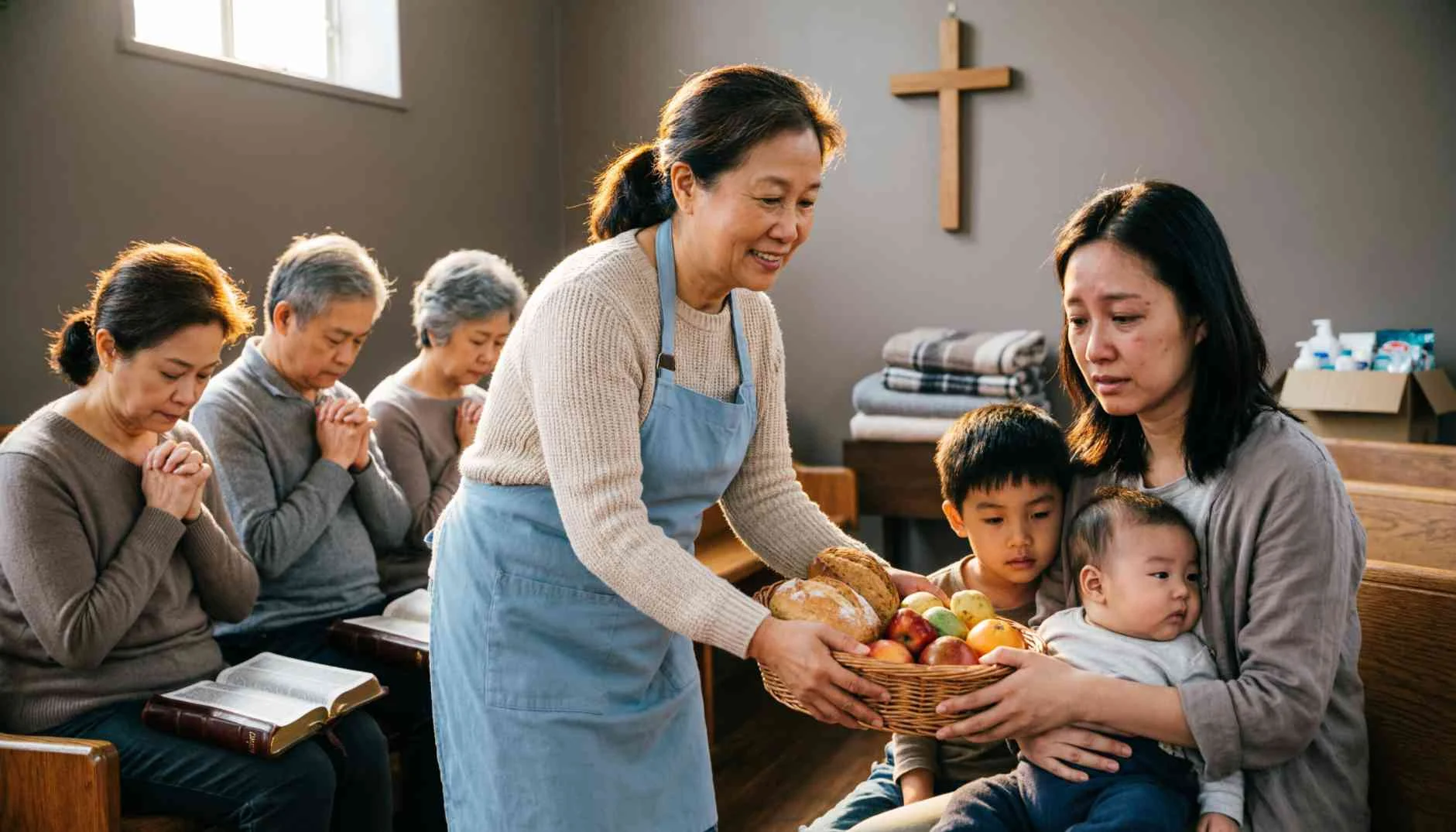
Prayers for the low income and vulnerable come from hearts that long to reflect God’s compassion.
Perhaps you see families struggling to afford food, refugees seeking safety, children facing hardship, or lonely older people who feel forgotten.
You may wonder how to pray meaningfully when so much suffering exists.
Scripture consistently shows that God cares deeply for people who are overlooked, oppressed, or living with great need.
Prayer does not make us passive. Instead, it aligns our hearts with God’s mercy and often moves us toward loving action.
If you are praying for those facing poverty, injustice, homelessness, illness, or loneliness, these prayers invite you to stand before God on behalf of people who need hope and help.
| In This Guide | Details |
| Meaning | Interceding for people experiencing hardship and vulnerability |
| Key Bible Verse | Psalm 82:3 |
| Benefits | Compassion, faith, hope, and practical love |
| How to Pray | With humility, Scripture, and specific requests |
| Practical Steps | Prayer, generosity, and acts of mercy |
Takeaway: God sees those the world often overlooks.
Practical Action: Pray today for one group of people facing hardship in your community.
Quick Answer
Prayers for the low income and vulnerable are biblical acts of intercession that ask God to provide protection, daily needs, comfort, justice, healing, and hope for people experiencing hardship. Christians pray this way because God’s heart is deeply concerned for the weak, oppressed, and forgotten.
Key Characteristics
- Rooted in compassion and mercy
- Focused on God’s justice and provision
- Connected with practical acts of love
- Guided by Scripture
- Filled with hope rather than despair
Simple Steps
- Pray for specific needs.
- Ask God to provide protection and resources.
- Pray for justice and peace.
- Seek ways to serve others personally.
- Trust God’s faithfulness.
Takeaway: Prayer opens our hearts to God’s compassion.
Practical Action: Name one vulnerable group and pray for them specifically.
Biblical Foundation
Psalm 146:7 9
“The Lord watches over the foreigner and sustains the fatherless and the widow.”
God’s care extends to those who feel abandoned.
Application: Pray for widows, refugees, and people without support systems.
Proverbs 19:17
“Whoever is kind to the low income lends to the Lord.”
Compassion matters deeply to God.
Application: Ask God to help you combine prayer with generosity.
Matthew 25:40
Jesus taught that serving others reflects love for Him.
Acts of mercy become expressions of worship.
Application: Look for practical ways to help those in need.
Isaiah 58:10
God calls His people to share with the hungry and care for the afflicted.
Faith should lead to compassionate action.
James 1:27
True religion includes caring for widows and orphans.
God values love expressed through service.
Psalm 34:6
“This low income man called, and the Lord heard him.”
God listens to cries that others ignore.
Takeaway: Scripture reveals God’s special concern for people who suffer.
Practical Action: Meditate on Psalm 146 this week.
Understanding These Prayers
Praying for hurting people goes beyond sympathy. It reflects God’s own character.
Throughout the Bible, God identifies Himself as a defender of the needy. Trusted Bible teachers often note that concern for vulnerable people is not a side issue in Scripture. It is woven into God’s covenant love.
These prayers help us resist indifference. They remind us that poverty is not merely an economic problem. It often involves loneliness, injustice, grief, fear, and broken relationships.
Prayer changes both circumstances and hearts.
It invites us to become people who notice what others overlook.
Takeaway: God’s compassion shapes the prayers of His people.
Practical Action: Ask God to help you see people through His eyes.
Unique Insights Most Articles Miss
Poverty Is More Than Financial Need
People may suffer emotionally, socially, and spiritually as well.
Prayer Should Lead to Compassion
Intercession and generosity belong together.
Small Acts Matter
God often works through ordinary kindness.
Vulnerable People Need Dignity
Prayer should never treat people as projects.
Compassion Includes Listening
Sometimes presence matters more than solutions.
Takeaway: Prayer becomes stronger when paired with humility and love.
Practical Action: Offer encouragement to someone who feels overlooked.
When These Prayers Help
These prayers are especially meaningful during:
- Financial hardship
- Homelessness
- Hunger and food insecurity
- Illness and disability
- Loneliness and abandonment
- Family crises
- Natural disasters
- War and displacement
- Economic uncertainty
- Social injustice
Prayer reminds us that God remains near in difficult seasons.
Takeaway: God’s mercy reaches people in every circumstance.
Practical Action: Pray for those affected by current hardships in your area.
How to Pray for Those in Need
Begin With Compassion
Ask God to soften your heart.
Pray Specifically
Mention food, shelter, healing, safety, and emotional support.
Pray for Leaders and Ministries
Ask God to strengthen churches and organizations serving vulnerable people.
Pray for Justice
Bring concerns about oppression and inequality before God.
Ask God to Use You
Remain open to opportunities for service.
Takeaway: Prayer and action work together.
Practical Action: Consider one practical way to help someone this week.
Biblical Examples
Ruth and Naomi
After great loss, God provided through unexpected kindness.
Lesson: God often works through caring people.
The Widow of Zarephath
During famine, God provided daily needs through His faithfulness.
Lesson: God’s provision can come in surprising ways.
The Good Samaritan
Jesus highlighted compassion that crosses barriers.
Lesson: Mercy requires action.
The Early Church
Believers shared resources so no one among them lacked necessities.
Lesson: Community reflects God’s heart.
Takeaway: Scripture shows that compassion is active.
Practical Action: Read Luke 10:25 37 this week.
Prayer Collection
Short Prayer
Father, remember those who feel forgotten today. Provide what they need and surround them with people who reflect Your kindness.
Faith reflection: God’s eyes are always open to the needy.
Morning Prayer
Lord, as this day begins, watch over families struggling to make ends meet. Give them strength and place hope in their hearts. Lead caring people into their lives.
Evening Prayer
Merciful God, comfort those who lie down tonight without peace or security. Let Your presence become their refuge and their rest.
God’s care continues through the night.
Gratitude Prayer
Thank You, Father, for every blessing You provide. Teach us to share generously and remember those who have less.
Hope Prayer
God of mercy, breathe hope into weary hearts. Open doors of opportunity and restore dignity to those who feel defeated.
Surrender Prayer
Lord, we place before You needs too large for us to solve. Help us trust Your wisdom while remaining willing servants.
Difficult Season Prayer
Father, many are facing hunger, grief, and fear. Strengthen those who feel overwhelmed. Send comfort and faithful companions.
Scripture Inspired Prayer
Lord, according to Psalm 146, sustain the weak and defend those without support. Let Your justice shine brightly.
Intercessory Prayer
Heavenly Father, bless missionaries, churches, aid workers, and volunteers. Renew their strength and multiply their efforts.
Reflective Prayer
God, search my heart. Remove selfishness and teach me to love with compassion, humility, and generosity.
Compassion grows when we surrender our hearts to God.
Prayer Type and Purpose
| Prayer Type | Purpose |
| Morning Prayer | Daily protection |
| Hope Prayer | Renew confidence |
| Intercessory Prayer | Pray for communities |
| Gratitude Prayer | Encourage generosity |
| Surrender Prayer | Trust God’s wisdom |
Emotional Struggle and Scripture
| Struggle | Bible Verse |
| Fear | Isaiah 41:10 |
| Loneliness | Psalm 34:18 |
| Hunger | Psalm 146:7 |
| Hopelessness | Romans 15:13 |
| Grief | Matthew 5:4 |
Situation and Prayer Focus
| Situation | Prayer Focus |
| Homelessness | Shelter and safety |
| Poverty | Daily provision |
| Illness | Healing and comfort |
| Refugee crises | Protection and peace |
| Family struggles | Stability and support |
Common Mistakes and Misunderstandings
Some people think prayer alone removes responsibility to help others. Scripture teaches otherwise.
Another mistake is assuming poverty reflects God’s disfavor. The Bible never supports that idea.
Others become discouraged because problems seem too large. Yet God values faithfulness more than human ability.
Finally, avoid praying without compassion or practical concern.
Prayer should lead us toward mercy, not distance.
Takeaway: Compassion and action belong together.
Practical Action: Support a ministry or local outreach this month.
Daily Prayer Practice
Set aside time each day to pray for people facing hardship.
Keep a journal of needs and answered prayers.
Read Psalms that reveal God’s concern for the oppressed.
Pray with your family and include global needs.
Set reminders to pray for ministries and missionaries.
Above all, keep your prayer life simple and consistent.
Takeaway: Faithful prayer develops compassionate hearts.
Practical Action: Choose one day each week to focus on intercessory prayer.
FAQs
Why should Christians pray for the low income and vulnerable?
Because God’s heart consistently cares for people experiencing hardship and injustice.
Does prayer replace practical help?
No. Prayer and loving action work together.
Which Bible verse speaks about helping the low income?
Proverbs 19:17 and Psalm 82:3 are powerful examples.
Can I pray for people I have never met?
Yes. Intercessory prayer extends beyond personal relationships.
How do I pray for refugees and homeless people?
Ask God for protection, provision, peace, and compassionate support.
Does God hear the cries of people in poverty?
Yes. Scripture repeatedly teaches that God listens to those who suffer.
How can children learn these prayers?
Families can pray together and teach compassion through simple acts of kindness.
What is the greatest way to show compassion?
Love expressed through prayer, generosity, and practical service.
Conclusion
Prayers for the low income and vulnerable remind us that God’s compassion reaches beyond our own concerns.
He sees the hungry, the lonely, the displaced, the grieving, and the forgotten. More importantly, He invites His people to reflect that same mercy.
As you pray, remember that God often answers through willing hearts.
Prayer does not distance us from suffering. Instead, it draws us closer to the people God deeply loves.
Do not underestimate the value of faithful intercession. Even small acts of kindness, offered in Christ’s name, become part of God’s work in the world.
May the Lord fill your heart with compassion and wisdom.
May He strengthen those who suffer and provide hope where despair has settled. And may His peace guide you to become a faithful witness of His mercy each day.

I am JohnsonMili, a passionate Prayer Writer and Spiritual Content Researcher dedicated to illuminating the paths of those seeking solace and inspiration. Through my platform, PrayersInfo.com, I share powerful prayers and uplifting faith content designed to foster a deeper connection with God. My mission is to guide readers toward peace and hope, empowering them to navigate life’s challenges with spiritual resilience. Join me on this transformative journey as we explore the profound impact of prayer and faith together.