Meta Description: What does refurbished mean? Learn how refurbished products are tested, graded, and restored, plus tips for buying them safely and confidently.
Refurbished means a used, returned, or slightly damaged product has been tested, repaired if needed, cleaned, and restored to full working condition before being resold usually at a lower price than new.
This term shows up most often with electronics like phones, laptops, and cameras, but it applies to appliances, tools, and even furniture too.
Understanding what “refurbished” really means can help you save money without gambling on quality, and it can also help you avoid confusing refurbished items with used or renewed ones that don’t go through the same process.
This guide breaks down exactly what happens to a product before it earns the refurbished label, who does the refurbishing, what the different grades mean, and how it compares to terms like “used,” “renewed,” and “open box.” By the end, you’ll know exactly what you’re getting when you click “buy” on a refurbished listing.
Does Refurbished Mean Repaired?
Not always.
Many people assume every refurbished product was broken, but that’s not necessarily true.
A product may become refurbished because:
- A customer simply returned it.
- The packaging was damaged.
- It was a store display model.
- It had a minor cosmetic flaw.
- A small hardware issue was repaired.
Some refurbished products never needed repairs at all they only required inspection, testing, and cleaning before resale.
Are Refurbished Products Worth Buying?
For many shoppers, refurbished products offer one of the best balances between price and quality.
Benefits include:
- Lower prices than buying new.
- Professional testing before resale.
- Reduced environmental waste.
- Warranty coverage from many sellers.
However, buying refurbished is only worthwhile when purchasing from a trusted manufacturer or reputable retailer with a clear warranty and return policy.
If you’re comfortable with minor cosmetic imperfections, refurbished products can provide excellent value.
Is It Safe to Buy Refurbished Electronics?
Yes, provided you buy from a reputable seller.
Refurbished electronics typically undergo diagnostic testing, repairs when necessary, factory resets, and quality inspections before resale.
To reduce risk:
- Buy from authorized refurbishers.
- Read the warranty carefully.
- Review the cosmetic grading.
- Check the return window.
- Read recent customer reviews.
Avoid listings that provide little information about testing or warranty coverage.
What Does Refurbished Mean on Amazon?
On Amazon, refurbished products are commonly sold under the Amazon Renewed program or by approved third party sellers.
Although the exact process varies by seller, eligible products are typically professionally inspected, tested, cleaned, and verified to work properly before being listed.
Always review the seller information, warranty details, and condition description before purchasing.
Refurbished iPhone Meaning
A refurbished iPhone is a previously owned or returned Apple smartphone that has been inspected, tested, cleaned, and restored before being sold again.
Depending on the seller, refurbishment may include:
- Battery testing or replacement
- Screen replacement
- Internal diagnostics
- Factory reset
- Cosmetic cleaning
Manufacturer refurbished iPhones generally offer the highest level of quality assurance.
Refurbished Laptop Meaning
A refurbished laptop is a previously owned, returned, or repaired computer that has been restored to proper working condition before resale.
The refurbishment process may include:
- Hardware diagnostics
- Battery testing
- Keyboard replacement
- Storage upgrades
- Operating system reinstallation
- Performance testing
Many refurbished laptops perform almost identically to new models while costing significantly less.
What Does Refurbished Mean?
In simple terms, refurbished describes a product that was previously owned, returned, or found to have a minor flaw, and has since been inspected, repaired, cleaned, and tested until it works like new again. It is not the same as a brand new item straight from the factory, but it’s also not just a used product sold as is.
A truly refurbished item usually goes through quality checks that a regular used item never sees. This is what separates it from a private seller’s used phone on a classifieds site.
Think of it this way: a new laptop has never left the factory box before reaching you. A used laptop was owned and sold again with no guarantee of testing. A refurbished laptop sits in between it was owned, returned, or flagged for a defect, then professionally restored and verified before resale.
Where the Term Comes From
The word “refurbish” comes from the old root “furbish,” meaning to polish or brighten something up. Add the prefix “re ,” and you get “refurbish” literally, to make something look and work good again.
Manufacturers and retailers adopted “refurbished” as a formal product category decades ago, mainly to describe returned electronics that could not legally be resold as “new” once a customer had opened the box, even if the item was barely used. Over time, the term expanded to cover a wide range of restored goods, from kitchen appliances to power tools.
The Refurbishment Process, Step by Step
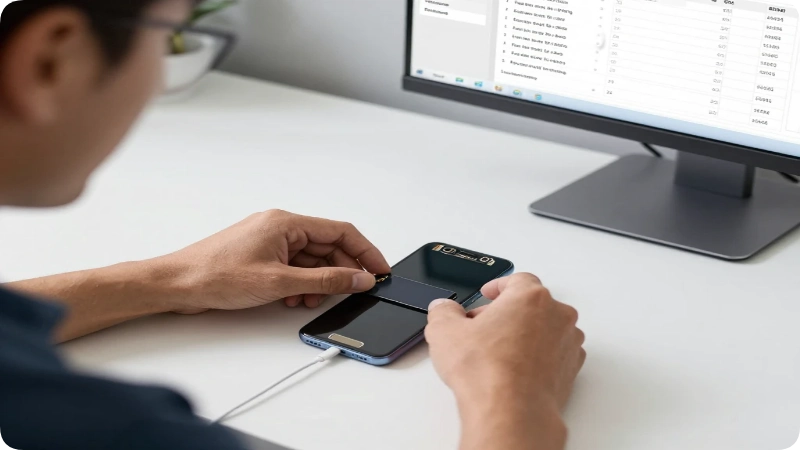
Not every seller follows identical steps, but a legitimate refurbishment process generally includes the following stages.
- Intake and diagnosis The item is received and checked for the reason it was returned, If that’s a customer changing their mind, a minor defect, or cosmetic damage.
- Testing Technicians run diagnostic software or manual checks on every major function: battery, screen, ports, buttons, motors, or moving parts, depending on the product type.
- Repair or part replacement Any faulty component is repaired or swapped out with a functioning part, such as a new battery, screen, or hard drive.
- Deep cleaning and cosmetic restoration The exterior is cleaned, scratches may be buffed out, and worn parts like keyboard keys or rubber grips may be replaced.
- Data wipe and factory reset For electronics, all personal data from the previous owner is permanently erased and the device is restored to factory settings.
- Final quality check and grading The product is tested one more time and assigned a condition grade (explained below) before it’s approved for resale.
- Repackaging Many refurbished items ship in simple, generic packaging rather than original retail boxes, though some sellers do replicate the original packaging.
A product that skips several of these steps is often better described as “used” rather than genuinely refurbished, even if a seller uses the word loosely.
Who Refurbishes Products?
Manufacturer Refurbished vs Seller Refurbished: What’s the Difference?
Not all refurbished products go through the same restoration process. The company or person performing the refurbishment can make a significant difference in quality, replacement parts, testing standards, and warranty coverage.
Manufacturer Refurbished
A manufacturer refurbished product is restored by the original company that made it, such as Apple, Dell, Samsung, or Lenovo. These products are typically inspected using factory testing procedures and repaired with genuine replacement parts when necessary.
Because they usually include a warranty and strict quality checks, manufacturer refurbished products are often considered the safest choice.
Retailer Refurbished
Large retailers sometimes operate their own refurbishment programs. Their technicians inspect, repair, clean, and test products before resale. Quality can be excellent, although standards may differ from one retailer to another.
Third Party Refurbished
Independent repair companies also refurbish products. Some are highly reputable, while others have fewer quality controls. Before purchasing, check customer reviews, warranty coverage, and return policies.
Regardless of who refurbished the product, always verify what testing was performed and If a warranty is included.
Refurbished Grading System Explained
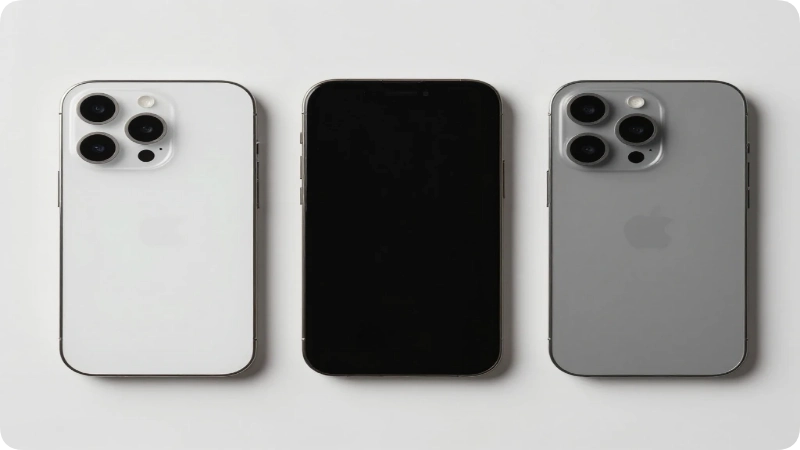
Most refurbished electronics are sorted into cosmetic condition grades so buyers know what to expect visually, even though the internal parts are fully tested either way. Grading labels differ slightly between sellers, but they generally follow this pattern.
| Grade | Typical Label | What It Looks Like |
| A / Excellent | “Like New” | No visible scratches or only very faint marks under close inspection |
| B / Good | “Very Good” | Light scratches or minor wear visible on close inspection, not distracting during normal use |
| C / Fair | “Good” or “Acceptable” | Noticeable scratches, scuffs, or wear, but fully functional |
| D / Refurbished Fair | “Fair” | Heavier cosmetic wear, still passes all functional testing |
Regardless of grade, the functional testing standard should stay consistent grading affects appearance, not If the device works properly.
| Product Type | Typical Savings |
| Smartphones | 15 35% |
| Laptops | 20 40% |
| Tablets | 20 35% |
| Cameras | 15 30% |
| Gaming Consoles | 20 40% |
Refurbished vs. Used vs. Renewed vs. Open Box
These four terms get mixed up constantly, so here’s a clear side by side comparison.
| Term | Tested by a Professional? | Repaired if Needed? | Original Packaging? | Typical Warranty |
| New | N/A (factory sealed) | N/A | Yes | Full manufacturer warranty |
| Refurbished | Yes | Yes | Sometimes | Often 90 days to 1 year |
| Renewed | Yes (similar to refurbished, common on marketplaces) | Yes | Sometimes | Often 90 days |
| Used | Not guaranteed | Not guaranteed | Rarely | Rarely, unless seller offers one |
| Open Box | Rarely tested beyond a basic check | No | Usually, but opened | Often the original manufacturer warranty |
“Renewed” is essentially a marketing term some large online marketplaces use for products that go through a refurbishment style process, so it overlaps heavily with “refurbished” in practice. “Open box” simply means the packaging was opened, often because a customer returned it unused or a store display copy is being sold; it hasn’t necessarily been tested or repaired the way refurbished items have.
Common Reasons a Product Becomes Refurbished
Refurbished doesn’t automatically mean something was seriously broken. Products enter the refurbishment pipeline for many ordinary reasons.
- A customer returned it within a store’s return window simply because they changed their mind.
- The item had a minor cosmetic flaw at the factory, like a scuff, that failed a new product inspection.
- It was used as a display model in a store.
- A small technical issue was found and fixed, such as a software glitch or a loose connector.
- It was a customer’s warranty replacement and the original unit was later repaired for resale.
Knowing this can ease some of the hesitation people feel about buying refurbished, since “returned” doesn’t automatically mean “unreliable.”
Pros and Cons of Buying Refurbished
Advantages
- Lower price Refurbished items typically cost 15% to 50% less than the equivalent new product, depending on the category and grade.
- Reduced environmental impact Buying refurbished keeps functioning electronics out of landfills and reduces demand for new raw materials.
- Professional testing Reputable refurbished products go through more scrutiny than a random secondhand item bought from an individual seller.
- Warranty protection Many refurbished listings include a limited warranty, which used items almost never offer.
Disadvantages
- Limited stock and color/size options You often can’t choose your preferred configuration since refurbished inventory depends on what was returned.
- Shorter warranty than new Coverage is usually shorter than a full new product warranty.
- Variable quality between sellers Not all refurbishers meet the same standards, so research matters.
- Cosmetic wear Lower grades will show visible signs of previous use.
Who Should Buy Refurbished Products?
Buying refurbished is often a smart choice for:
- Students looking to save money on laptops.
- Small business owners purchasing office equipment.
- Families buying tablets or smartphones.
- Travelers needing a secondary device.
- Anyone wanting better value without paying full retail price.
If having perfect cosmetic condition is your top priority, buying new may be the better option. Otherwise, refurbished products often provide excellent value.
How to Buy Refurbished Products Safely
- Buy from the manufacturer or an authorized refurbisher whenever possible. This gives you the highest confidence in parts quality and testing standards.
- Check the warranty length and what it covers. A refurbished item with zero warranty is a bigger risk than one backed by even 90 days of coverage.
- Read the grading description carefully. Understand exactly what cosmetic condition you’re agreeing to before purchase.
- Look at the seller’s return policy. A trustworthy refurbished seller allows returns within a reasonable window, typically 14 to 30 days.
- Check battery health disclosures for electronics. Devices with rechargeable batteries should list battery capacity or health percentage.
- Read recent reviews specific to refurbished orders, not just general product reviews, since refurbishment quality can vary by batch.
Common Mistakes to Avoid
- Assuming all refurbished sellers follow the same process. Standards differ widely between manufacturers, retailers, and independent sellers.
- Confusing “refurbished” with “used” and expecting a full warranty. Always confirm coverage terms rather than assuming.
- Ignoring the condition grade. Buying the cheapest grade without reading what it means can lead to unexpected cosmetic wear.
- Skipping the return policy. Always check this before purchase rather than after a problem shows up.
- Overlooking battery or moving part wear on older refurbished electronics and appliances. Ask about component age when it isn’t listed.
FAQs
Is refurbished the same as certified refurbished?
No. Certified refurbished products have been inspected and approved under a specific refurbishment program, often by the manufacturer or an authorized partner. Standard refurbished products may be restored by retailers or independent refurbishers.
Can refurbished products be trusted?
Yes, provided they come from reputable sellers with clear testing procedures, warranty coverage, and return policies.
Is refurbished better than renewed?
The terms often overlap. “Refurbished” usually refers to products that have been inspected, repaired if necessary, and tested. “Renewed” is commonly used by online marketplaces such as Amazon for products that meet similar standards.
Does refurbished mean second hand?
Usually yes. Most refurbished products were previously owned or returned. However, unlike ordinary second hand items, refurbished products are professionally inspected, repaired if necessary, cleaned, and tested before resale.
Should I buy refurbished or new?
If you want the latest model, full manufacturer warranty, and flawless cosmetic condition, buying new may be the better choice. If you’re looking to save money without sacrificing functionality, a refurbished product from a trusted seller is often an excellent alternative.
Is refurbished the same as used?
No. Used items are typically resold as is with no guaranteed testing or repair. Refurbished items go through inspection, repair if necessary, cleaning, and a final quality check before resale.
Is buying refurbished safe?
Yes, when purchased from a manufacturer or a reputable, authorized refurbisher. Quality control and warranty coverage are the biggest factors in how safe and reliable a refurbished purchase will be.
Do refurbished products come with a warranty?
Most legitimate refurbished products include a limited warranty, commonly ranging from 90 days to one year, though this varies by seller and product category.
Why is refurbished cheaper than new?
Refurbished items are priced lower because they were previously owned, returned, or found to have a minor issue, and they may show light cosmetic wear or ship without original retail packaging, even though they function properly.
Can refurbished electronics have battery problems?
Some older refurbished electronics may have reduced battery life compared to new units. Reputable refurbishers test and disclose battery health, and lower cost battery replacements are also possible in many cases.
Is refurbished better than open box?
It depends on the situation. Refurbished items generally undergo more thorough testing and repair, while open box items are often unused but haven’t necessarily been tested the way a refurbished product has.
How long do refurbished products typically last?
When properly tested and repaired, refurbished electronics and appliances can last nearly as long as new ones, though this depends on the age of internal components and how the item was used before being returned.
Quick Summary
Refurbished means a product has been returned, tested, repaired if necessary, cleaned, and verified to work properly before being resold, usually at a discount compared to buying new.
It sits between “new” and “used” in terms of both price and reliability, and the safest way to buy refurbished is through a manufacturer or authorised refurbisher that offers clear grading and a real warranty.
Understanding the grading system, checking the return policy, and knowing who performed the refurbishment are the three biggest factors in making a confident, informed purchase.

I am JohnsonMili, a passionate Prayer Writer and Spiritual Content Researcher dedicated to illuminating the paths of those seeking solace and inspiration. Through my platform, PrayersInfo.com, I share powerful prayers and uplifting faith content designed to foster a deeper connection with God. My mission is to guide readers toward peace and hope, empowering them to navigate life’s challenges with spiritual resilience. Join me on this transformative journey as we explore the profound impact of prayer and faith together.