Blood in your stool can look bright red on toilet paper, dark and tarry like coffee grounds, or maroon and mixed into the stool itself, and the exact look often points to where the bleeding is coming from. Most causes, like hemorrhoids or small tears, are minor. But some patterns of bleeding need urgent medical attention, so it helps to know exactly what to look for and when to act.
This guide walks through every common appearance of blood in stool, what typically causes it, how to tell a harmless cause from a serious one, and when it’s time to call a doctor or head to the ER.
Featured Snippet:
Blood in stool can look bright red on toilet paper or the stool surface, dark red or maroon mixed throughout the stool, or black and tarry with a strong odor. Bright red usually points to the rectum or anus (like hemorrhoids), while black or maroon blood often comes from higher in the digestive tract.
What Does Blood in Stool Look Like?

Blood in stool appears in a few distinct ways, and each one is a clue to where in the digestive tract the bleeding started.
| Appearance | Likely Source | Common Cause |
| Bright red, on tissue or coating the stool surface | Anus or rectum (lower colon) | Hemorrhoids, anal fissure |
| Red streaks mixed into stool | Lower colon or rectum | Polyps, hemorrhoids, inflammation |
| Maroon or brick red, mixed throughout | Small intestine or upper colon | Diverticular bleeding, colitis |
| Black, tarry, sticky, foul-smelling (melena) | Stomach or upper digestive tract | Ulcers, gastritis, some medications |
| No visible color change, but stool tests positive for blood | Anywhere in the digestive tract | Small, slow bleeds (occult blood) |
Color is a strong hint, but it isn’t foolproof. Iron supplements and bismuth medicines (like Pepto Bismol) can turn stool black, and beets, red food dye, or tomato juice can turn it red without any real bleeding involved.
What Causes Blood in Stool?
Blood in stool has many possible causes, ranging from minor to serious.
- Hemorrhoids swollen veins in the rectum or anus, often from straining or pregnancy
- Anal fissures small tears in the anal lining, often from constipation
- Diverticular disease small pouches in the colon wall that can bleed
- Inflammatory bowel disease (IBD) Crohn’s disease or ulcerative colitis
- Infections bacterial gastroenteritis (such as from certain strains of E. coli or Salmonella)
- Peptic ulcers sores in the stomach or upper small intestine
- Polyps small growths in the colon that can bleed and sometimes become cancerous
- Colorectal cancer a less common but important cause, especially in people over 45
- Certain medications blood thinners, aspirin, and NSAIDs can increase bleeding risk
Most people who notice blood in their stool have a benign cause, such as hemorrhoids or a fissure. Still, new or unexplained bleeding always deserves a conversation with a doctor.
How Can I Tell if I Have Blood in My Stool?
You may notice blood in a few ways:
- Visible color change: red streaks, dark tarry stool, or maroon colored stool
- Blood on toilet paper or in the toilet bowl water
- Symptoms without visible blood: unexplained fatigue, paleness, or shortness of breath can signal hidden (occult) blood loss
- A positive fecal occult blood test (FOBT) or fecal immunochemical test (FIT), often done during routine cancer screening
If you’re unsure if what you’re seeing is blood, take a photo before flushing (if you’re comfortable doing so) and describe it clearly to your doctor: color, texture, and whether it was mixed in or just on the surface all matter.
What Could Be Mistaken for Blood in Stool?
Several harmless things can mimic the look of blood in stool:
- Beets can turn stool pink or red (sometimes called “beeturia” when it affects urine too)
- Red food coloring or red gelatin
- Tomato-based foods eaten in large amounts
- Iron supplements commonly turn stool dark green or black
- Bismuth subsalicylate (Pepto Bismol, Kaopectate) also turns stool black
- Black licorice in large quantities
If a color change follows a specific food or medication and clears up within a day or two, it’s usually not blood. If it persists, or you notice other symptoms like pain or weakness, get it checked.
What Does Blood in Stool Mean?
Blood in stool simply means there’s bleeding somewhere along your digestive tract from the esophagus down to the rectum. It’s a symptom, not a diagnosis on its own. The exact meaning depends on the color, amount, and any accompanying symptoms like pain, weight loss, or changes in bowel habits.
In many cases, it points to something common and treatable, like hemorrhoids. In other cases, it can be an early sign of a condition that needs prompt care, such as IBD or, less often, colorectal cancer.
Can Bloody Stools Be Harmless?
Yes. In fact, most cases of blood in stool are caused by non-cancerous, treatable conditions. Hemorrhoids and anal fissures account for a large share of cases, especially when the blood is bright red, appears only on the surface of the stool or toilet paper, and isn’t accompanied by pain, weight loss, or a change in bowel habits.
That said, “usually harmless” doesn’t mean “always harmless.” A doctor can confirm the cause with a simple exam, and catching a more serious issue early makes it easier to treat.
Painless Bright Red Blood in Stool
Painless, bright red blood is one of the most common patterns people report, and it’s typically linked to internal hemorrhoids. Internal hemorrhoids often don’t cause pain because the upper part of the rectum has fewer pain-sensing nerves than the anus.
Even so, painless bleeding isn’t automatically “nothing to worry about.” Some early colon polyps and even early colorectal cancers can also cause painless bleeding. Because the symptom looks the same either way, doctors generally recommend evaluation, especially for anyone over 45, or younger with a family history of colorectal cancer, rather than assuming hemorrhoids without checking.
Is It Bad to Have Red Blood in Your Stool?
Red blood in stool is not automatically dangerous, but it’s not something to ignore either. A single small spot of bright red blood after straining, with no other symptoms, is often minor. Red blood becomes more concerning when it:
- Happens repeatedly over several days or weeks
- Is mixed into the stool rather than just on the surface
- Comes with abdominal pain, weight loss, or fatigue
- Occurs alongside a change in bowel habits
When in doubt, it’s reasonable to get it checked rather than wait and wonder.
What Does Blood in Your Stool Mean for a Woman?
Blood in stool means the same thing for people of all genders as it does for anyone else; it signals bleeding somewhere in the digestive tract. However, a few things are worth keeping in mind:
- Menstrual blood can sometimes be mistaken for rectal bleeding, especially around the time of a period, so it helps to note timing.
- Hemorrhoids are common during and after pregnancy due to increased pelvic pressure and constipation.
- Endometriosis can, in some cases, involve the bowel and cause cyclical rectal bleeding tied to the menstrual cycle.
- Colorectal cancer risk rises with age in both people of all genders and men, so persistent bleeding shouldn’t be dismissed as “just hemorrhoids” without evaluation, particularly after age 45.
What Does Concerning Blood in the Stool Look Like?
Certain appearances are more likely to signal a problem that needs prompt medical attention:
- Black, tarry, sticky stool with a strong odor (possible upper GI bleeding)
- Maroon colored stool mixed throughout, not just on the surface
- Large volumes of blood, or blood combined with clots
- Blood accompanied by dizziness, weakness, or a fast heartbeat (signs of significant blood loss)
- Bleeding that comes with severe abdominal pain, fever, or vomiting
These patterns are more urgent than a small streak of bright red blood after a bowel movement.
How Much Blood in Your Poop Is Worrying?
There’s no exact volume that separates “fine” from “worrying”; even a small amount of blood can occasionally point to something significant, while a slightly larger amount from a hemorrhoid can look alarming but be minor. That said, a few practical guides help:
- A few drops on toilet paper or in the bowl water, occurring once, is generally lower risk, especially with straining or constipation present.
- Blood that fills the toilet bowl, forms clots, or recurs with every bowel movement warrants prompt medical evaluation.
- Any amount of blood combined with dizziness, paleness, rapid heartbeat, or fainting should be treated as an emergency, regardless of how much blood you actually see.
How to Tell When Blood in Stool Is Bad
A few features tend to separate lower-risk bleeding from bleeding that needs urgent care:
- Duration a one-time spot versus blood on most bowel movements for more than a few days
- Color bright red versus black/tarry versus maroon
- Associated symptoms pain, weight loss, fatigue, fever, or vomiting
- Personal risk factors age over 45, family history of colorectal cancer, or a personal history of IBD or polyps
- Response to simple measures: bleeding tied to constipation that improves with more fiber and water is usually less concerning than bleeding that persists regardless.
When to Worry About Blood in Stool
You should contact a doctor promptly if blood in your stool:
- Lasts more than a few days or keeps recurring
- Is dark, tarry, or maroon rather than bright red
- Comes with abdominal pain, unexplained weight loss, or a change in bowel habits
- Is accompanied by fatigue, weakness, or shortness of breath
- Occurs in someone over 45, or anyone with a family history of colorectal cancer or IBD
You should seek emergency care if bleeding is heavy, associated with fainting or dizziness, or accompanied by severe abdominal pain or vomiting blood.
How Long Is Too Long for Bloody Stool?
As a general guide, a single episode of minor bright red bleeding tied to an obvious cause (like straining during constipation) that clears up within a day or two is usually not an emergency. But bleeding that continues for more than 2 to 3 days, or that recurs on and off over one to two weeks, should be evaluated by a doctor rather than monitored indefinitely at home. Prolonged bleeding, even if it seems mild, has been linked in research to delayed diagnoses of more serious underlying conditions, which is one reason not to “wait it out” for too long.
Is Bright Red Blood in Stool an Emergency?
Not always, but sometimes yes. Bright red blood is usually not an emergency when it’s a small amount, appears only after straining, and isn’t paired with other symptoms.
It is an emergency when it involves:
- Large volumes of blood or blood clots
- Ongoing bleeding that doesn’t stop
- Signs of shock: rapid heartbeat, dizziness, confusion, cold clammy skin, or fainting
- Severe abdominal pain alongside the bleeding
If you’re unsure, treat heavy or repeated bright red bleeding as urgent and seek same-day medical care.
How to Know if Blood Is From Hemorrhoids or From the Colon
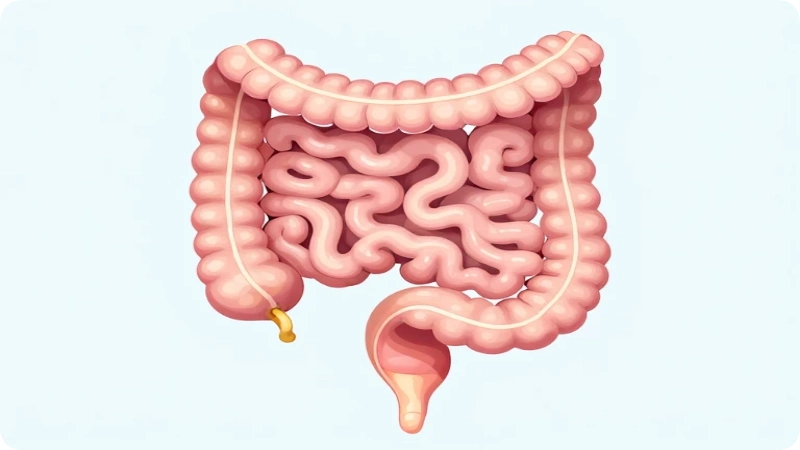
Doctors typically look at several clues:
| Clue | More Suggestive of Hemorrhoids | More Suggestive of a Colon Source |
| Blood location | On surface of stool or toilet paper | Mixed throughout the stool |
| Color | Bright red | Dark red, maroon, or black |
| Pain | Sometimes present with external hemorrhoids or fissures | Often painless, especially with polyps or early cancer |
| Other symptoms | Itching, a visible lump near the anus | Weight loss, fatigue, change in bowel habits |
| Visible hemorrhoids | Yes, on exam | May or may not be present |
Importantly, having visible hemorrhoids does not rule out a colon-based cause; the two can coexist. This is why doctors often still recommend a colonoscopy or sigmoidoscopy for anyone with new, unexplained, or persistent bleeding, even when hemorrhoids are found.
What Does Cancerous Bloody Stool Look Like?
Blood linked to colorectal cancer doesn’t have one single “look”; its appearance depends on where in the colon or rectum the tumor is located.
- Tumors in the rectum or lower colon often cause bright red blood, sometimes mixed with mucus, and it can look similar to hemorrhoid bleeding.
- Tumors higher up in the colon more often cause dark red or maroon blood, or blood that isn’t visible at all, showing up only as a positive stool test or as unexplained anemia.
- Cancer-related bleeding is often painless and tends to be intermittent rather than constant, which can make it easy to dismiss at first.
- Other clues that raise suspicion alongside bleeding include unintended weight loss, a persistent change in bowel habits, thin “pencil-like” stools, and ongoing fatigue from low iron levels.
Because the appearance can overlap so much with harmless causes, visual inspection alone can’t confirm or rule out cancer, which requires an exam such as a colonoscopy.
Does Blood in Stool Always Mean Cancer?
No. Most people with blood in their stool do not have colorectal cancer. The large majority of cases trace back to hemorrhoids, anal fissures, diverticular disease, or benign polyps. Colorectal cancer is a less common but important cause, which is why doctors take new or persistent bleeding seriously enough to investigate rather than assume the worst or dismiss it outright.
What Percentage of Blood in Stools Is Cancerous?
Research on people who see a doctor specifically for rectal bleeding has found that colorectal cancer is diagnosed in roughly 2% to 11% of cases, depending on the study population, age group, and additional risk factors present. The risk climbs notably with age; it’s higher in people over 45 to 50 and rises further when bleeding is combined with other red flag symptoms like unexplained weight loss or anemia.
That means the majority of people with rectal bleeding, generally somewhere around 90% or more, turn out to have a non-cancerous cause. Still, because the exact number varies by study and personal risk factors, doctors generally recommend evaluation rather than trying to estimate individual risk from statistics alone.
Where Is Colon Pain Felt?
Pain related to colon problems, including some colon cancers, is most often felt in the lower abdomen, though the exact spot depends on which part of the colon is affected:
- Right side of the abdomen pain here can relate to the ascending colon (right side of the colon)
- Left side or lower left abdomen often linked to the descending colon, sigmoid colon, or diverticular disease
- Center or lower mid abdomen, or rectal area can relate to rectal conditions, including hemorrhoids, fissures, or rectal tumors.
- Cramping that comes and goes, sometimes with bloating, can relate to changes in bowel habits from a colon issue.
Colon-related pain is often vague or mild in early stages, which is one reason screening (rather than waiting for pain) is recommended for colorectal cancer.
What Is the 3 and 3 Poop Rule?
The “3 and 3 rule” is a general guideline about normal bowel movement frequency; it states that anywhere from three bowel movements a day to three bowel movements a week falls within a healthy range. It isn’t a rule about blood specifically, but it’s a useful reference point when you’re trying to figure out if a change in your bowel habits (alongside bleeding) is significant.
If your usual pattern suddenly shifts outside this range, especially combined with blood in your stool, straining, or a feeling of incomplete emptying, that combination is worth mentioning to a doctor, since a change in bowel habits alongside bleeding is one of the classic red flag combinations doctors watch for.
What Does Blood in Stool Look Like on Reddit and Other Forums?
Many people search forums like Reddit for photos and personal stories about blood in stool, often hoping to match their own experience to someone else’s description. This can offer some reassurance, but it has real limits:
- Anecdotes aren’t diagnoses. Two people can describe nearly identical bleeding with very different underlying causes.
- Forum photos vary wildly in quality, lighting, and context, making color-based self-diagnosis unreliable.
- Serious causes can look “mild” in photos, and mild causes can look alarming, so comparing images isn’t a substitute for an exam.
If you’re using forums for reassurance while you decide whether to see a doctor, that’s understandable. However, persistent or unexplained bleeding still deserves an actual medical evaluation, not just a community opinion.
When to See a Doctor

Book an appointment (rather than waiting) if you notice:
- Blood in your stool more than once, or lasting beyond a couple of days
- Dark, tarry, or maroon stool
- Bleeding along with abdominal pain, weight loss, or fatigue
- A family history of colorectal cancer, polyps, or IBD
- You’re over 45 and haven’t yet had colorectal cancer screening
Seek emergency care immediately if you have heavy bleeding, vomiting blood, fainting, dizziness, a rapid heartbeat, or severe abdominal pain.
At your appointment, your doctor may ask about the color and amount of blood, your bowel habits, medications, and family history, and may recommend a physical exam, stool tests, blood work, or a colonoscopy depending on your situation.
FAQs
How can I tell if I have blood in my stool?
Look for red streaks, dark tarry stool, or blood on toilet paper. If nothing is visible but you feel unusually tired or short of breath, a stool test can check for hidden (occult) blood.
What does concerning blood in the stool look like?
Black, tarry stool, maroon colored stool mixed throughout, large amounts of blood, or blood paired with pain, weight loss, or dizziness are the patterns that call for prompt attention.
Is bright red blood in stool always from hemorrhoids?
No. While hemorrhoids are the most common cause, bright red blood can also come from fissures, polyps, or, less commonly, rectal cancer. An exam is the only reliable way to tell.
Can stress cause blood in stool?
Stress itself doesn’t directly cause bleeding, but it can worsen conditions like IBD or contribute to constipation, which can lead to fissures or hemorrhoid bleeding.
Does blood in stool always need a colonoscopy?
Not always; the approach depends on your age, symptoms, and exam findings. But a colonoscopy is commonly recommended for new or unexplained bleeding, especially in adults over 45 or those with other red flag symptoms.
Can certain foods cause blood in stool without real bleeding?
Yes. Beets, red food dye, and tomato-heavy meals can tint stool red, while iron supplements and bismuth-based medicines can turn it black, mimicking blood without any bleeding.
What’s the difference between blood in stool and blood on stool?
Blood only on the surface or on toilet paper often points to a lower source like hemorrhoids or fissures. Blood mixed throughout the stool suggests bleeding higher up in the colon and is generally taken more seriously.
Should I take a photo of blood in my stool before flushing?
If you’re comfortable doing so, a photo can help your doctor assess the color and pattern, especially if the bleeding has already stopped by the time you’re seen.
Can hemorrhoids and colorectal cancer happen at the same time?
Yes. Having hemorrhoids doesn’t rule out a separate, more serious cause of bleeding, which is why doctors often still investigate further even when hemorrhoids are visible.
Does blood in stool hurt?
It depends on the cause. Fissures and external hemorrhoids often cause pain during bowel movements, while internal hemorrhoids, polyps, and some cancers can bleed painlessly.
Can blood in stool come and go on its own?
Yes, bleeding from hemorrhoids or fissures can be intermittent. However, intermittent bleeding from a more serious cause can also come and go, so a pattern that keeps returning still deserves evaluation rather than being dismissed.
Is blood in stool more common with age?
Yes. Conditions like diverticular disease, polyps, and colorectal cancer become more common with age, which is part of why colorectal cancer screening typically starts around 45.
Conclusion
Blood in stool can look bright red, dark and tarry, or maroon, and each pattern offers a clue about where the bleeding is coming from. Most of the time, the cause is minor and treatable, such as hemorrhoids or a small tear.
But persistent, painless, dark, or heavy bleeding, especially alongside weight loss, fatigue, or a change in bowel habits, is worth having checked promptly. When in doubt, a quick conversation with a doctor is the fastest way to get a clear answer and peace of mind.
This article is for general educational purposes and isn’t a substitute for personal medical advice. If you’re experiencing symptoms, please consult a healthcare professional.

I am JohnsonMili, a passionate Prayer Writer and Spiritual Content Researcher dedicated to illuminating the paths of those seeking solace and inspiration.Through my platform, PrayersInfo.com, I share powerful prayers and uplifting faith content designed to foster a deeper connection with God.My mission is to guide readers toward peace and hope, empowering them to navigate life’s challenges with spiritual resilience.Join me on this transformative journey as we explore the profound impact of prayer and faith together.